December 18, 2025
Edentulism, or the loss of all natural teeth, poses significant challenges for affected individuals. These challenges extend beyond mere aesthetics to involve severe impacts on dietary habits, speech, and self-esteem. Personalized treatment approaches are critical in the management of edentulism, as they cater to individual patient needs, improving overall comfort and satisfaction. Without personalization, standardized treatments may fall short, leading to suboptimal outcomes. In this article, we will explore how dental clinics are leveraging personalized strategies to enhance treatment effectiveness for edentulous patients.
Understanding Edentulism and Its Challenges
Edentulism refers to the complete loss of all teeth, a condition that profoundly affects many aspects of daily life. It can result from various causes, including severe periodontal disease, untreated tooth decay, or traumatic injuries. In some cases, genetic disorders or developmental issues can also lead to premature tooth loss. This condition predominantly affects older adults; the Centers for Disease Control and Prevention (CDC) reports that over 1 in 10 adults aged 65-74 years have lost all their teeth. Such statistics underscore the critical need for effective edentulism management solutions.
The challenges of edentulism are both physical and psychological. Physically, missing teeth can lead to difficulties in chewing, which can result in poor nutrition and digestive issues. It also affects speech, making clear communication a challenge and potentially causing social anxiety. Psychologically, the loss of teeth can lead to diminished self-confidence, resulting in social withdrawal and emotional distress. These challenges highlight the importance of finding effective ways to manage and treat edentulism.
One-size-fits-all dental clinic solutions are rarely optimal in edentulism management because of the diverse needs and expectations of patients. Personalized care takes into account the unique oral anatomy, lifestyle, and aesthetic preferences of each patient. This tailored approach can significantly enhance treatment outcomes and improve patient satisfaction. By considering individuals' medical histories and current health conditions, dental professionals can craft more effective treatment plans. The impact of personalized care is profound, as it not only enhances comfort and fit but also significantly boosts patient confidence.
Comprehensive Assessment Techniques
The initial consultation from a dental clinic sets the stage for personalized edentulism treatment. During this phase, a detailed medical and dental history is crucial to understand the specific needs of the patient. Dental professionals gather information on past dental treatments, chronic health conditions, and even medications that might affect dental health. This comprehensive assessment enables the formation of a baseline from which personalized treatment plans can be developed. Furthermore, it allows for the identification of any barriers to treatment, such as allergies or contraindications, ensuring a safe and effective approach.
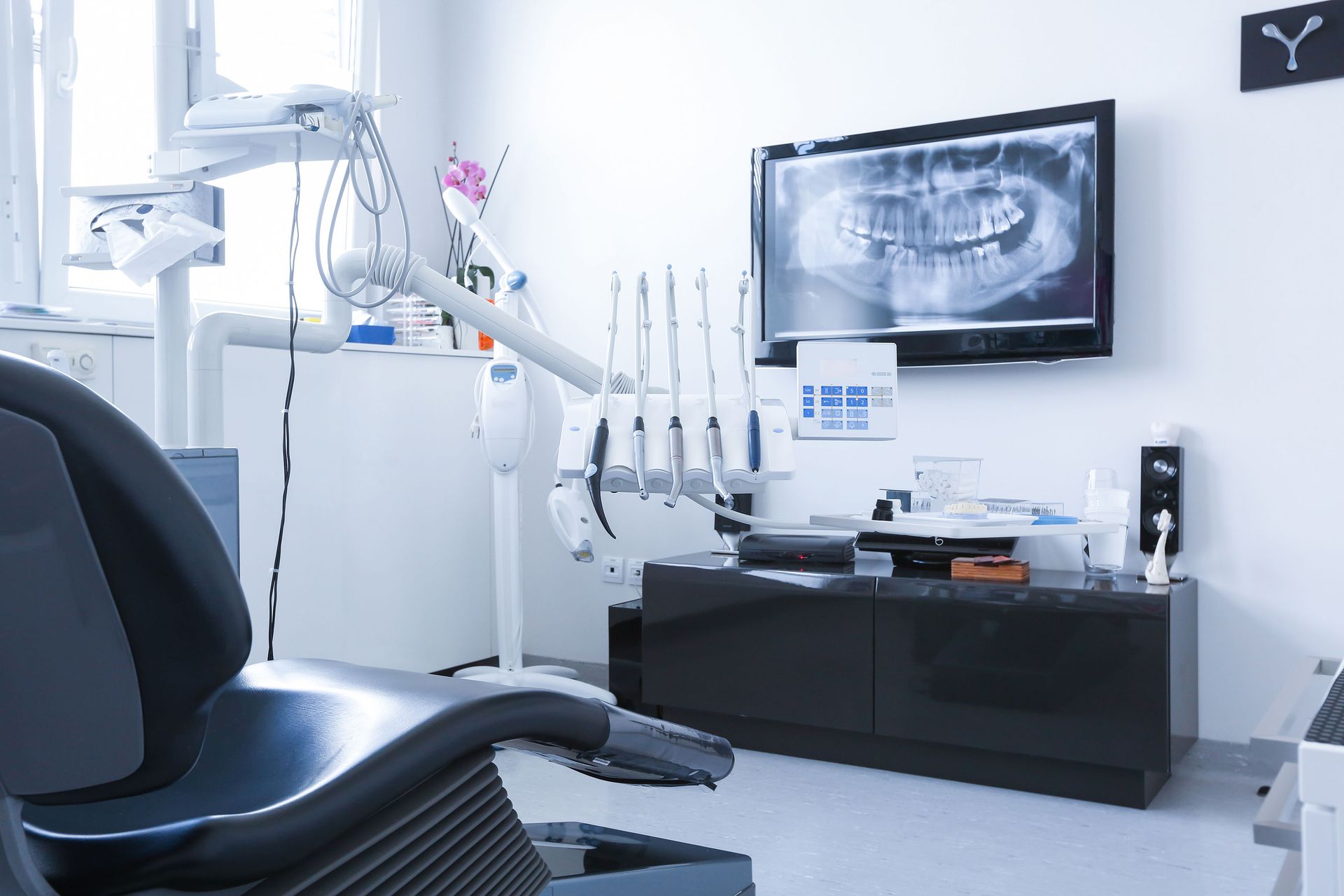
Advanced imaging technologies, such as 3D scans and digital imagery, have revolutionized the way edentulism is diagnosed and treated. These tools provide a detailed picture of the patient's oral cavity, capturing minute details that are critical for customizing dental prosthetics. With precise imaging, dental professionals can design prosthetic solutions that align perfectly with the patient’s oral structure. This precision is vital for ensuring that the prosthetics do not only fit comfortably but also function optimally. With the insights gained from advanced imaging, the path to effective treatment becomes much clearer and more targeted.
Customized treatment planning is at the core of effective edentulism management. By collaborating closely with patients, dental professionals can develop treatment plans that are closely aligned with their specific needs and expectations. This collaboration not only involves selecting suitable dental prosthetics but also scheduling procedures at a pace that matches the patient's comfort and life circumstances. Additionally, understanding patients' values, such as desired cosmetic outcomes and budgetary constraints, plays a part in successful treatment planning. This tailored approach ensures a higher likelihood of successful outcomes and patient satisfaction.
Selection of Appropriate Prosthetic Solutions
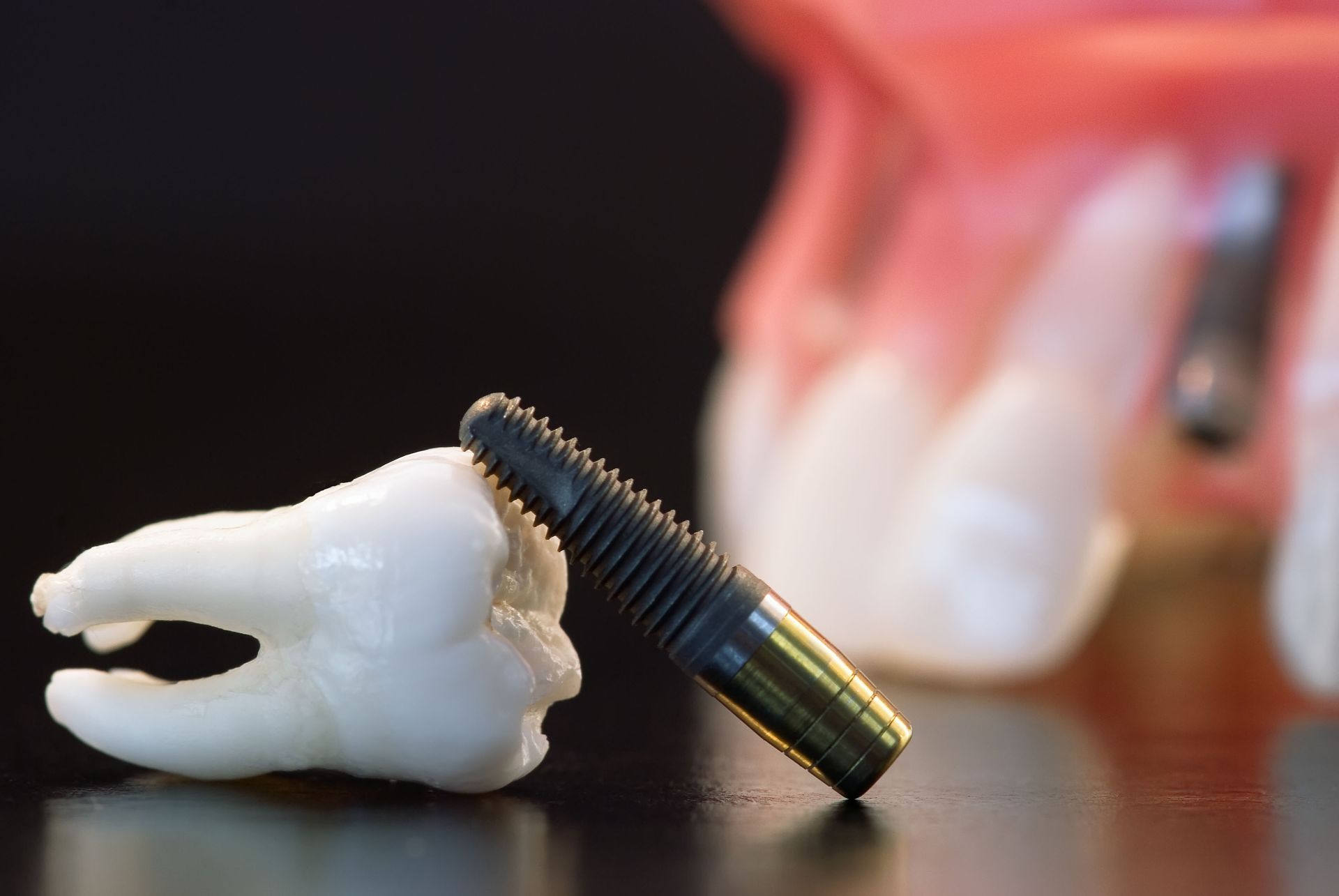
Dental prostheses come in various forms, each suited to different levels of tooth loss and patient needs. Common solutions include dentures, bridges, and implants, each offering distinct benefits and applications. Dentures, both full and partial, are often used for completely edentulous patients or those missing several teeth. Bridges fill gaps by anchoring to neighboring teeth, providing a stable solution for missing teeth. Dental implants, on the other hand, offer a more permanent replacement for missing teeth, closely mimicking natural teeth in both appearance and function. Understanding the differences among these options is essential for selecting the appropriate solution for each patient. Did you know? According to the CDC, more than 1 in 10 adults aged 65-74 years had lost all their teeth.
Anatomical considerations are crucial in selecting the right dental prosthetics. The fit of a prosthetic device hinges on its ability to replicate the natural contours of the patient’s oral and facial structure. Dental professionals must carefully tailor these devices by gathering precise measurements and considering the unique anatomical features of the patient. Customization to match the patient's unique oral structures can significantly enhance comfort while ensuring that the prosthesis functions effectively. The aim is always to mimic natural teeth as closely as possible, achieving both aesthetic and functional success.
The choice of materials used in prosthetics from a dental clinic also plays a vital role in their comfort and longevity. Dental prosthetics can be made from various materials, each offering different levels of durability, strength, and aesthetic appeal. Common materials include acrylic resin for dentures and porcelain or composite materials for crowns and bridges. Modern advancements have introduced zirconia and titanium, known for their strength and biocompatibility, especially in implants. The choice of material can significantly affect the overall patient experience, both in terms of comfort and functionality.
Edentulism presents a complex set of challenges that extend far beyond the physical loss of teeth. As this condition affects essential functions such as chewing, speaking, and social interaction, the need for highly personalized treatment approaches becomes undeniable. A one-size-fits-all solution simply cannot address the diverse anatomical, functional, and emotional needs of edentulous patients. Throughout this discussion, it becomes clear that personalized care—grounded in comprehensive assessments, advanced imaging, and tailored prosthetic solutions—plays a central role in improving quality of life for individuals facing total tooth loss.
The use of detailed medical histories and state-of-the-art imaging technologies from dental clinics allows dental professionals to understand each patient’s unique oral structure and health profile. This precise insight lays the foundation for customized treatment plans that align with the patient’s comfort, expectations, and lifestyle. Such individualized care ensures that prosthetics fit more naturally, function more efficiently, and ultimately provide greater satisfaction. Moreover, personalized treatment fosters improved communication between the patient and clinician, enabling decisions that reflect both clinical needs and personal preferences.
Selecting suitable prosthetic options is equally essential. Since patients vary widely in their anatomical features, functional demands, and aesthetic goals, customization ensures that each solution—whether dentures, bridges, or implants—provides maximum comfort and effectiveness. Advances in materials such as zirconia and titanium have further enhanced durability and biocompatibility, contributing to long-lasting, natural-looking outcomes.
Ultimately, the shift toward personalized treatment in edentulism is transforming patient experiences and outcomes. By prioritizing individualized care, dental professionals not only restore oral function but also revitalize confidence, emotional well-being, and overall quality of life. As technology continues to advance, the future of edentulism management promises even more refined, patient-centered solutions—empowering individuals to regain not just their smiles, but their full sense of self. Are you wondering how a dental clinic can help you? Give Harvey L Shuster DDS a call today!