November 13, 2026
Getting dental implants is a significant investment in your oral health, comfort, and confidence. Whether you are replacing a single missing tooth or addressing several missing teeth, understanding what happens before, during, and after treatment can make the experience considerably less stressful. Proper preparation and consistent aftercare also play important roles in supporting healing and helping your implants last.
Working with an experienced dental professional is essential, but patients also have responsibilities throughout the process. From choosing the right provider to following recovery instructions, knowing what to expect can help you make informed decisions and avoid unnecessary complications. The following sections explore what patients should know when considering dental implant services and how to prepare for a successful outcome.
What Should I Expect From Dental Implant Services Initially?
The first step toward receiving dental implants is generally a comprehensive consultation. During this appointment, your dentist will evaluate your oral health, discuss your concerns, and determine whether implants are an appropriate solution. This typically involves examining your teeth and gums, reviewing your dental and medical history, and taking diagnostic images to assess your jawbone.
Bone density is particularly important because dental implants rely on sufficient healthy bone for stability. If you have experienced significant bone loss following tooth extraction or prolonged tooth loss, your dentist may recommend a bone graft before proceeding. Gum disease, untreated decay, and certain medical conditions may also need attention before implant placement.
Your initial consultation is also an opportunity to discuss treatment expectations. Depending on how many teeth need replacement and the condition of your jawbone, your treatment plan may involve several appointments over multiple months. Your dentist should explain the anticipated timeline, available restoration options, costs, and potential risks.
Reliable dental implant services should prioritize individualized treatment rather than offering every patient the same approach. Understanding your specific needs from the beginning helps establish realistic expectations and gives you an opportunity to address questions before committing to treatment.
How to Choose the Right Dental Implant Services for You?
Choosing an implant provider requires more consideration than simply comparing prices. Dental implant placement involves surgical expertise, detailed treatment planning, and restorative dentistry knowledge. Finding a qualified professional with appropriate experience can make a meaningful difference in your treatment experience.
Start by researching the dentist's credentials, professional training, and experience performing implant procedures. Depending on your circumstances, you may work with a general dentist, periodontist, or oral surgeon. Ask about their experience treating cases similar to yours and whether additional specialists will participate in your care.
It is also worth reviewing patient testimonials and looking at before-and-after photographs of completed cases. These resources can provide insight into the provider's approach, although individual results will naturally vary.
Communication should be another priority. A good provider will explain the procedure in understandable terms, discuss potential complications, and answer questions without making you feel pressured. You should also receive a clear breakdown of treatment costs, including examinations, imaging, surgery, implant components, and final restorations.
Quality
dental implant services should include comprehensive planning and appropriate follow-up appointments. Be cautious of providers who promise immediate results without first evaluating your oral health. A successful implant treatment plan should reflect your individual anatomy, medical history, and long-term dental goals.
What Preparations Are Necessary Before Getting Dental Implants?
Preparing for implant surgery involves following your dentist's instructions and taking steps to support your overall health. Before scheduling the procedure, make sure your provider knows about any existing medical conditions, medications, allergies, and previous dental complications. Certain medications or health conditions may influence healing and could require adjustments to your treatment plan.
Maintaining good oral hygiene is particularly important. Brush and floss regularly, and address any existing gum disease or dental infections before surgery. Healthy gums help create a better environment for implant placement and subsequent healing.
Your dentist may also recommend avoiding tobacco products before and after the procedure. Smoking can interfere with blood circulation and slow the healing process, potentially increasing the risk of implant complications. Following any dietary restrictions and medication instructions is equally important.
Practical preparation can make recovery more comfortable, too. Arrange transportation if you will receive sedation, stock up on soft foods, and prepare a comfortable place to rest. Yogurt, scrambled eggs, mashed potatoes, and smoothies are convenient options during the initial recovery period.
What Happens During the Dental Implant Procedure?
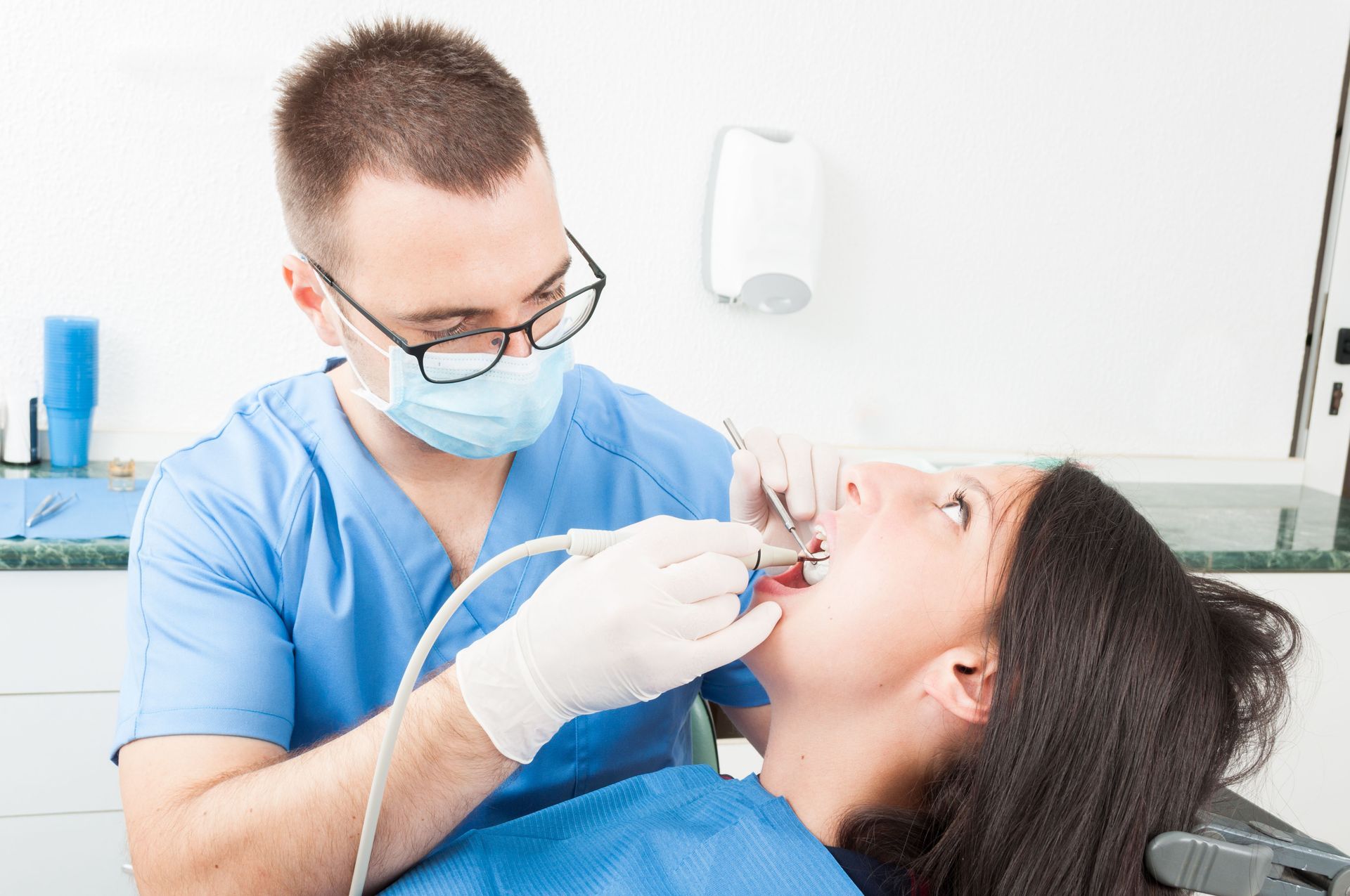
Dental implant surgery typically begins with administering local anesthesia to numb the treatment area. Depending on your preferences, medical history, and the complexity of the procedure, sedation may also be available to help you remain comfortable.
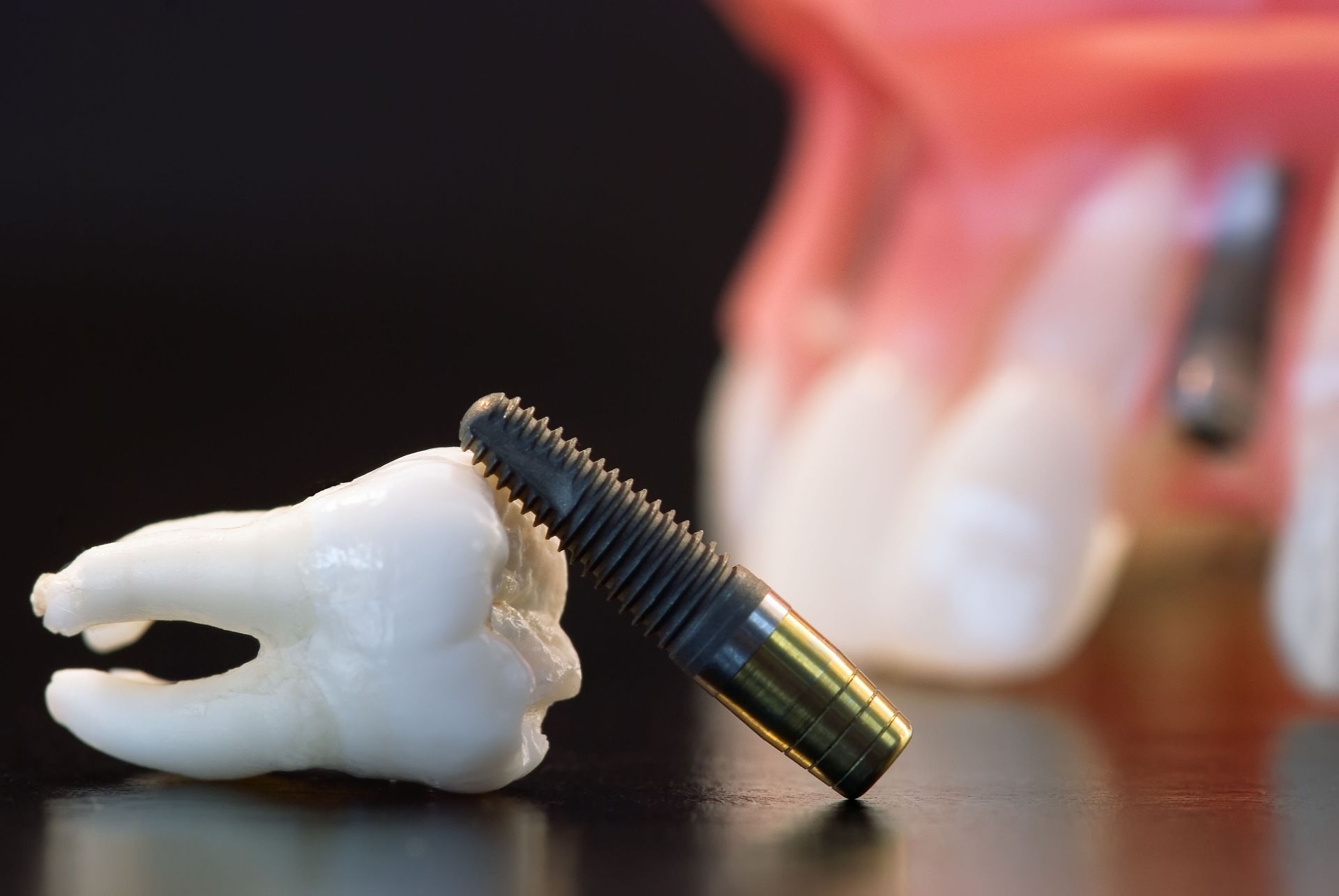
Once the area is prepared, the dentist makes an incision in the gum tissue to expose the underlying jawbone. A carefully planned opening is created, and the titanium implant post is positioned within the bone. The gum tissue is then closed or fitted around a healing component, depending on the surgical approach.
The next stage involves osseointegration, which is the process through which the surrounding bone gradually bonds with the implant. This provides the stable foundation needed to support the replacement tooth. Healing can take several months, although the timeline varies depending on bone quality, overall health, and whether additional procedures are necessary.
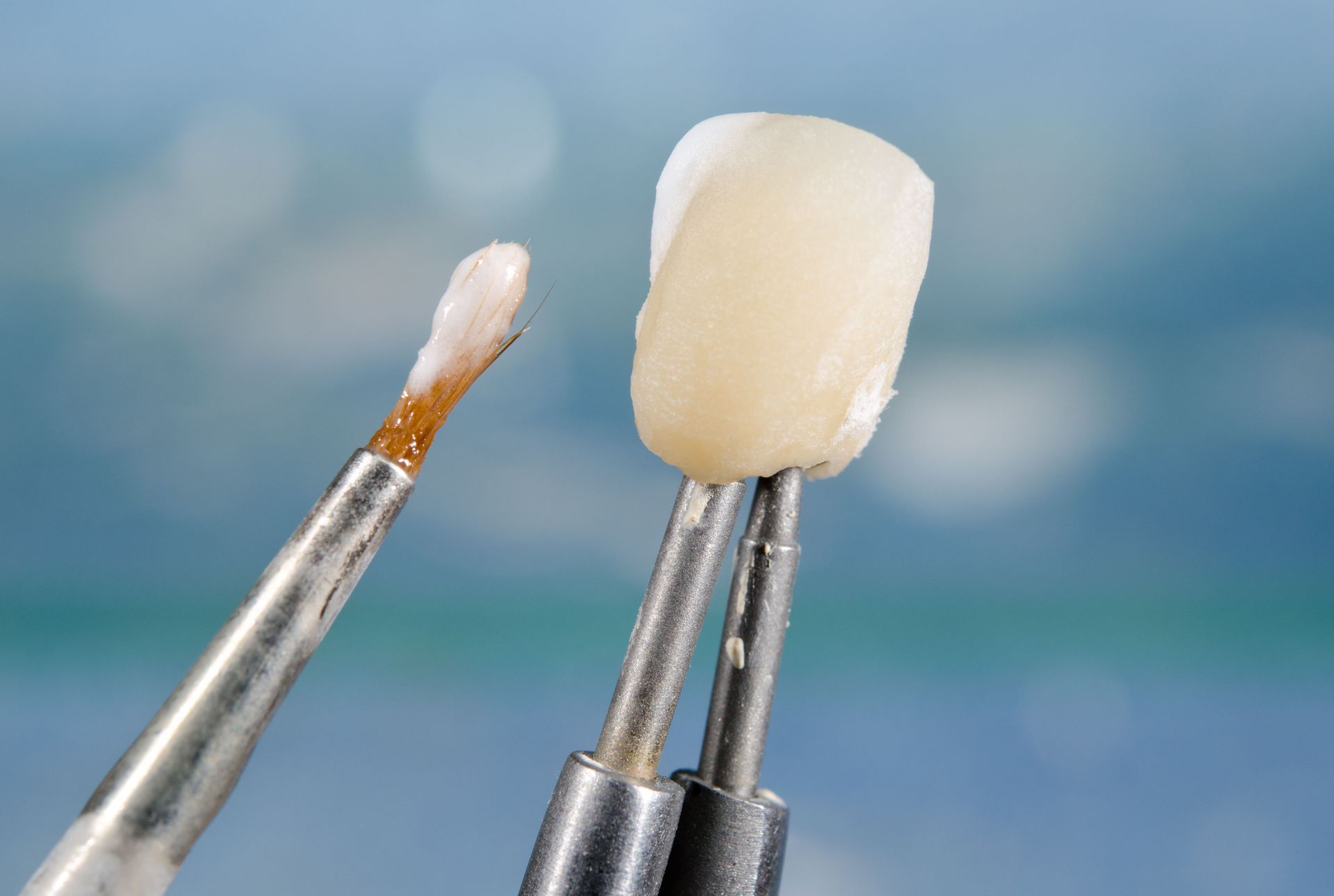
After sufficient healing, an abutment is attached to the implant to connect it to the final restoration. Your dentist then places a custom-made crown designed to resemble your natural teeth.
What Aftercare Steps Should Be Followed for Optimal Recovery?
Following your dentist's postoperative instructions is essential for minimizing complications and supporting successful healing. Some swelling, tenderness, minor bleeding, and bruising are normal during the first several days. These symptoms generally improve gradually.
During the initial recovery period, apply ice packs externally as directed to help manage swelling. Take prescribed or recommended medications according to your dentist's instructions, and avoid disturbing the surgical site. Do not rinse vigorously, spit forcefully, or use straws immediately after surgery, as these actions can interfere with blood clot formation.
Your diet should consist primarily of soft foods while the surgical area heals. Avoid hard, crunchy, sticky, and excessively hot foods that could irritate the tissue or place unnecessary pressure on the implant. Gradually return to your normal diet when your dentist confirms it is appropriate.
Oral hygiene remains important, but brushing around the surgical site requires care. Your dentist may recommend gentle brushing, saltwater rinses, or a prescribed antimicrobial mouthwash after an initial healing period. Follow the specific instructions provided rather than assuming standard oral hygiene routines are appropriate immediately after surgery.
Avoid smoking, strenuous physical activity, and excessive alcohol consumption during the recommended recovery period. Attend all follow-up appointments so your dentist can monitor healing and identify potential problems early.
Long-term maintenance is equally important. According to ScienceDaily, a study from the University of Gothenburg found that single-tooth dental implants remained functional after approximately 40 years. Although the research involved a relatively small group, it demonstrates their potential longevity. Interestingly, some original crowns had been replaced even though the underlying implants remained functional.
From selecting an experienced provider to following postoperative instructions, every step contributes to the overall experience. By prioritizing oral hygiene, attending follow-up appointments, and maintaining healthy habits, patients can support healing and enjoy the long-term benefits of their new smiles. Choosing comprehensive dental implant services is an important first step toward restoring both dental function and confidence. If you're in need of dental implants, reach out to Harvey L Shuster DDS today!