June 11, 2026
Missing teeth can lead to various health and aesthetic problems that extend beyond the gaps left behind. While many might overlook their significance, failure to replace a missing tooth can have cascading effects on one's oral and overall health. This article explores the hidden dangers posed by untreated tooth loss. Dental health is an integral part of overall well-being, yet its significance is often underestimated. Understanding the profound effects that follow tooth loss highlights the necessity for timely dental care and interventions.
Prevent Bone Loss in the Jaw
Jawbone deterioration occurs when the bone mass in the jaw decreases, often as a result of tooth loss. Teeth play a crucial role in stimulating the jawbone through activities such as chewing, which maintains bone health. Without stimulation from a tooth, the jawbone begins to deteriorate at the site, leading to bone atrophy. This aspect of oral health is frequently overlooked, but it is a significant concern that can lead to more severe complications. Regular dental check-ups are essential to identify and mitigate the risks of jawbone atrophy.
Teeth are essential not just for aesthetic reasons but for maintaining bone density within the jaw. Every time we chew or bite, an essential stimulus is provided to the jawbone, encouraging cellular regeneration, which maintains its mass and density. In the absence of a tooth, this stimulation diminishes, contributing to bone resorption. Resorption is the gradual loss of bone tissue, which can advance if the missing tooth is not replaced.
Preventing bone loss is possible through proactive and informed dental care. Utilizing dental implants is a highly effective treatment option that can prevent bone atrophy by providing the necessary stimulation to the jawbone. Regular dental visits and maintaining good oral hygiene practices are also crucial in preventing tooth decay and gum disease, which can contribute to tooth loss. Making informed decisions regarding oral health treatments ensures that individuals can protect their jawbones and overall dental health.
Restore Oral Functionality
Losing a tooth can lead to significant challenges in chewing and eating, ultimately affecting nutrition and overall health. When a tooth is absent, the remaining teeth are left to cover the burden, which can be difficult without the complete set of tools that nature provides. As a result, individuals may avoid certain foods that require more intensive chewing, leading to an imbalanced diet. These choices can have adverse effects on one's health, highlighting the importance of maintaining optimal oral functionality.
When a tooth is missing, adjacent teeth experience additional strain as they attempt to compensate for the loss. This increased burden can accelerate wear and tear, potentially leading to further damage or weakening of those teeth. These conditions may increase oral susceptibilities, which is particularly concerning because, according to data shared by the Centers for Disease Control and Prevention, roughly twenty percent of adults between the ages of 20 and 64 currently have an untreated cavity.
Advancements in dental technology have paved the way for innovative techniques that restore oral functionality following tooth loss. Opting for dental implants serves as a premier approach to replicate both the strength and appearance of your natural teeth. These techniques aim to replace the aesthetics and functionality of natural teeth, allowing patients to resume normal eating and speaking habits. With such technologies, patients can regain confidence and independence in oral functions that would otherwise be compromised.
Prevent Changes in Facial Structure
Facial collapse is a significant concern related to missing teeth, affecting the structural integrity of the face. When the jawbone deteriorates due to the absence of teeth, it can cause the mouth area to shrink inward. This shrinkage alters facial dimensions, leading to premature aging and changes in appearance. Additionally, the absence of teeth can lead to sagging facial muscles, further exaggerating these structural changes.
Cosmetically, tooth loss can have profound implications for an individual's appearance and self-confidence. Teeth play a crucial role in supporting facial contours, and their absence can result in visible depressions or asymmetries. This can lead to a perception of premature aging as facial features undergo unanticipated changes. Individuals going through such experiences may struggle with self-esteem issues and feel self-conscious in social settings. By recognizing these aesthetic impacts, timely dental treatment options can be pursued to restore both function and visual harmony where teeth were lost.
There are numerous cosmetic dental solutions designed to combat the changes associated with tooth loss and restore facial balance. High-quality dental implants look and function just like natural teeth, making them an excellent choice for preserving your facial appearance. These interventions not only replace missing teeth but support facial structures, improving aesthetics and restoring symmetry. Cosmetic dentistry goes beyond appearances, enhancing patients' quality of life by addressing functional needs and psychosocial concerns.
Reduce the Risk of Gum Disease
Missing teeth increases the risk of developing gum disease, caused by the accumulation of bacteria in the exposed gum area. When a tooth is lost, there is more room for food particles and bacteria to settle, contributing to infection if not addressed properly. These conditions can exacerbate existing gum issues, leading to periodontal complications. Maintaining rigorous oral hygiene is essential to minimize risks and protect gum health in particular.
There is a significant connection between tooth loss and periodontitis, a serious gum infection that can harm the soft tissue and destroy bone supporting the teeth. Tooth loss is a common result of advanced periodontitis, where the supporting dental structures fail due to infection. Additionally, the presence of gaps can contribute further to bacterial colonization, perpetuating the cycle of dental decay and disease. Certified and preventative care can help manage periodontitis while emphasizing the importance of replacing missing teeth to prevent further complications.
Preventing gum disease begins with consistent and effective oral hygiene practices, crucial in minimizing harmful bacterial growth and avoiding infection. Regular brushing, flossing, and professional cleaning appointments form the backbone of periodontal health. Additionally, using modern dental implants can close the vulnerable gaps where bacteria love to collect. Education in effective dental care, alongside routine dental checkups, can minimize risks and enhance personalized gum management. Individuals with heightened risks, such as smokers or those with chronic conditions, are advised to engage closely with dental professionals to tailor preventive strategies effectively.
Evaluate Options for Replacing Missing Teeth
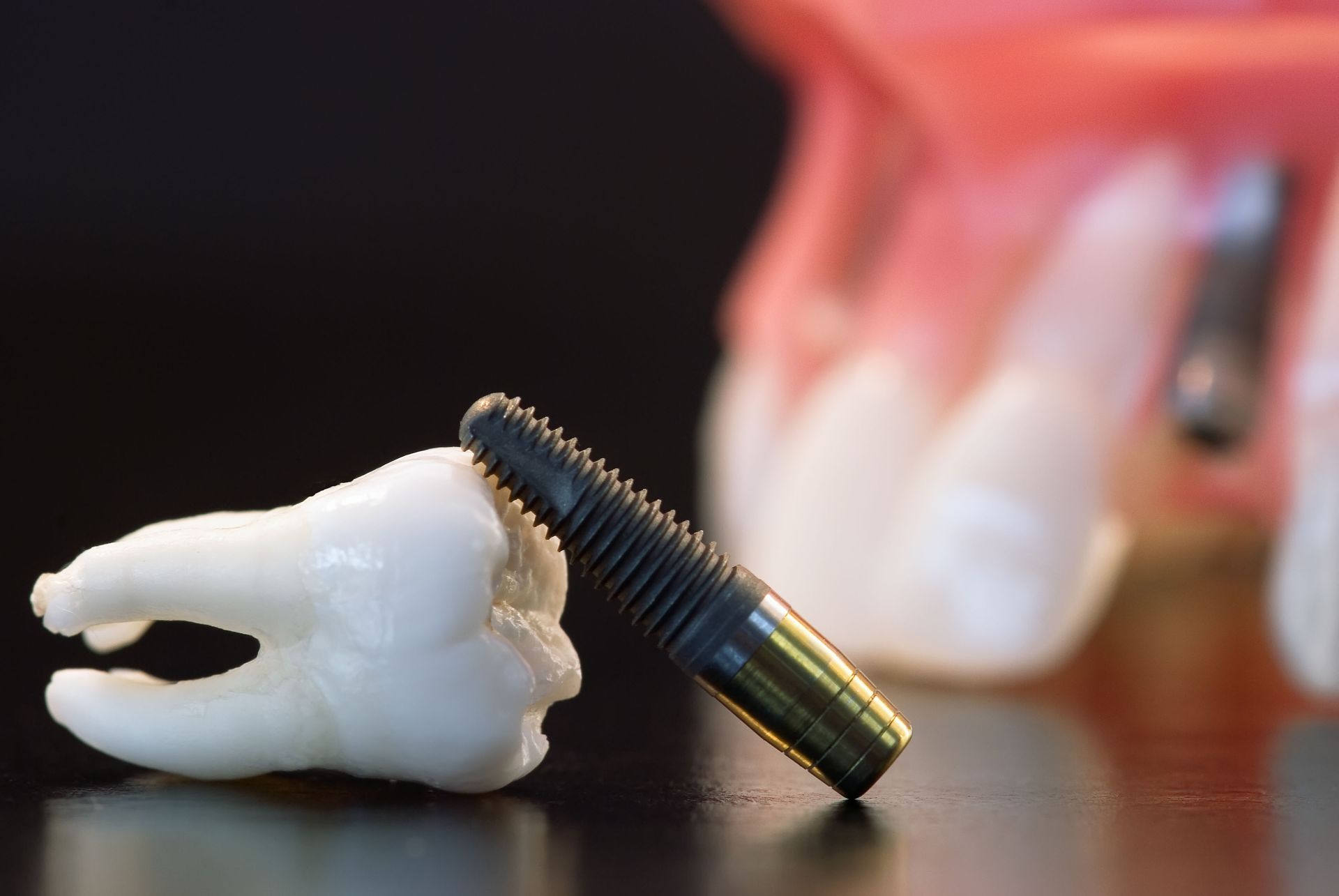
Dental implants serve as one of the most effective long-term solutions for replacing missing teeth, providing both aesthetic and functional benefits. These implants act as artificial tooth roots, embedded into the jawbone, providing stability reminiscent of natural teeth. Over time, the bone fuses to the implant, encouraging bone health and preventing atrophy. Implants can host crowns, bridges, or dentures, offering versatile restoration options tailored to patient needs. Though they might represent a significant investment, their durability and benefits make them a valuable solution for comprehensive oral rehabilitation.
Dental bridges provide a reliable solution for missing teeth, anchoring artificial teeth to neighboring natural teeth or implants. Various types of bridges include traditional bridges, cantilever bridges, and Maryland bridges, each suited to specific needs based on the location and condition of remaining teeth. Bridges help restore oral function, allowing convenient chewing and maintaining speech quality, while perfecting the dental arch shape. They also prevent neighboring teeth from shifting, preserving proper bite and alignment.
Long-term solutions for tooth replacement require a focus on durability, aesthetics, and compatibility with existing dental structures and health conditions. Emphasizing sustainable practices, patients should value regular post-treatment follow-ups and continuous oral health maintenance. For those who choose dental implants, maintaining routine cleanings and evaluations ensures the long-term success of the restoration. Our team is fully prepared to navigate these choices alongside you, providing expert insights to preserve your wellness. We remain committed to helping you achieve a fully functional and beautiful smile.
Addressing a missing tooth is a critical step in preserving your long-term oral function and protecting your systemic health. Overlooking a gap can lead to widespread issues, including progressive bone deterioration, shifting alignment, and elevated risks of periodontal infection. Fortunately, we provide tailored treatments designed to restore your smile and prevent these hidden complications from advancing. With over 40 years of experience, our practice works with most insurance plans and offers same-day appointments to deliver the timely care you deserve. Please contact Harvey L Shuster DDS today to schedule an evaluation and explore how dental implants can safeguard your wellness.