June 9, 2026
Dental implants are transformative solutions for many who seek to restore their smiles after tooth loss. However, the importance of long-term care post-implantation cannot be overstated. Success in maintaining dental implants largely hinges on the commitment to proper oral hygiene and lifestyle choices. These practices are vital for ensuring the longevity and functionality of dental implants. As more people opt for these innovative solutions, understanding how to care effectively for one's implants becomes a crucial aspect of oral health education.
Section 1: Understanding Dental Implants
1.1 Definition and Types
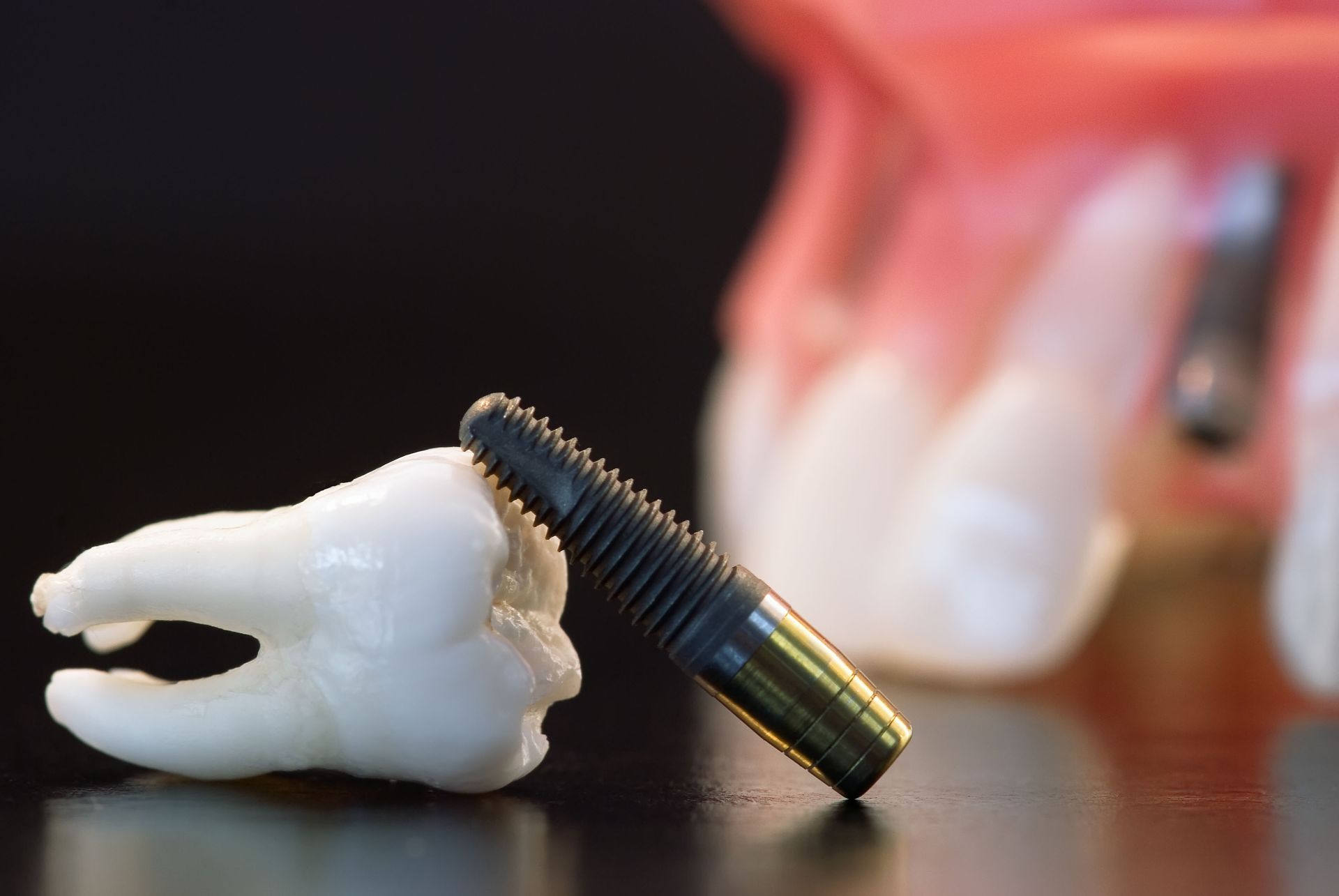
Dental implants are artificial tooth roots, typically made of titanium, that provide a permanent base for replacement teeth. Unlike dentures or bridges, implants are a long-term solution that can blend seamlessly with natural teeth. There are mainly two types of dental implants: endosteal (placed in the jawbone) and subperiosteal (placed on the bone under the gum). Each type supports different kinds of prosthetic teeth, individualized to the patient's needs. Understanding these options is vital for patients to make informed decisions about their oral health.
1.2 Importance of Dental Implants
The significance of dental implants extends beyond aesthetics. Implants help maintain the structure of the jawbone, preventing bone loss that typically follows tooth loss. They provide stability and improve oral functionality, enabling individuals to chew and speak without discomfort. Furthermore, implants play a crucial role in preserving other teeth by maintaining correct alignment and supporting overall oral health. Their versatility and benefits make them an essential option in restorative dentistry.
1.3 How Implants Integrate with Bone
Osseointegration is the process where implants fuse with the jawbone, creating a sturdy anchor for prosthetic teeth. This biological process is crucial for the implant's stability and longevity. It typically takes a few months for this integration to fully occur, during which proper care is paramount. The success of osseointegration can significantly reduce the risk of implant failure. Advances in implant technology have further enhanced the success rates of this vital procedure.
1.4 Common Myths About Dental Implants
There are several myths surrounding dental implants that can deter potential candidates. A prevalent misconception is that dental implants are painful, when in fact, most patients find the procedure manageable with anesthesia. Another myth is that implants are not a viable option for older adults, yet age is not a limiting factor for candidacy. Some believe that implants require excessive maintenance; however, they only necessitate a consistent oral hygiene routine akin to caring for natural teeth. Dispelling these myths can assist individuals in making well-informed decisions about their treatment options.
1.5 Short-term vs Long-term Care
While both short-term and long-term care of dental implants are significant, they serve different purposes. Short-term care focuses on initial recovery, minimizing complications during the healing phase. Alternatively, long-term care emphasizes sustenance, ensuring that the implants remain functional and aesthetically pleasing over time. Both phases involve different responsibilities from the patient, and understanding these distinct stages can enhance overall oral health outcomes. The balance between these two elements is critical for successful implant longevity.
Section 2: Immediate Post-Operative Care
2.1 Initial Recovery Steps
Post-operative care is crucial in the first few days following the implant surgery. Patients are advised to rest and avoid strenuous activities, which could disturb the implant area. Following dentist-recommended guidelines for oral hygiene is also essential to prevent infection. Over-the-counter pain medication can be helpful to manage discomfort during the initial recovery period. A clear understanding of these steps is vital to reduce complications and ensure a successful integration of the implant with the bone.
2.2 Handling Pain and Swelling
Experiencing pain and swelling after the procedure is normal, but managing these symptoms effectively is important for comfort and healing. Patients can apply ice packs to reduce swelling and should avoid hot foods and drinks, which can exacerbate discomfort. Consistent adherence to prescribed pain medication can alleviate pain, enabling individuals to resume daily activities sooner. It's also important to contact a dental professional if pain persists, as it could be indicative of complications. Proper pain management ensures a smoother recovery process and aids in the return to regular habits.
2.3 Foods and Drinks to Avoid
Dietary adjustments are necessary after dental implant surgery to promote healing. Soft foods are generally recommended, as they reduce stress on the implant site. Patients should avoid crunchy, sticky, or chewy foods that could dislodge the implant before it integrates with the bone. Beverages like alcohol and hot drinks might also be restricted, as they can interfere with healing. Following these dietary guidelines plays an instrumental role in ensuring successful recovery and implant longevity.
2.4 Importance of Follow-up Visits
Regular follow-up visits with a dental professional are imperative in the post-operative phase. These visits allow the dentist to monitor the healing process and address any potential issues early on. Professional assessments ensure that osseointegration is proceeding correctly and that no signs of infection are present. Continued appointments provide an opportunity for patients to ask questions and receive personalized care advice. Consistent communication with your dentist is a significant aspect of maintaining the health and functionality of your dental implants.
Section 3: Daily Oral Hygiene Practices
3.1 Brushing Techniques for Implant Care
Effective brushing is a cornerstone of implant care. It's recommended to brush at least twice daily with a soft-bristled toothbrush to protect gum tissues and implant surfaces. Using small circular motions helps dislodge food particles and reduces plaque buildup around the implants. Electric toothbrushes can also provide more consistent cleaning for some patients. Implementing these techniques ensures an optimal oral environment for the longevity of dental implants.
3.2 Flossing and Interdental Cleaning
Flossing is essential in addressing areas between teeth and implants where a toothbrush may not reach. It helps remove plaque and prevents gum disease, which can jeopardize implant success. Interdental cleaners or water flossers can be particularly effective, offering enhanced access to tight spots. Consistent flossing habits are foundational to maintaining implant health over the long term. Proper interdental cleaning protects against periodontal disease, safeguarding the investment made in dental implants.
3.3 Selecting Suitable Oral Care Products
Choosing the right oral care products can impact the health of dental implants significantly. Non-abrasive, fluoride-containing toothpaste is recommended to clean without damaging the implant surface. Other products, such as alcohol-free mouthwash, help maintain a healthy oral microbiome without irritating sensitive tissues. Finding and utilizing these products goes a long way in extending the lifespan of implants. A considered selection of oral care tools contributes to a comprehensive and effective hygiene regimen.
3.4 Importance of Regular Dental Cleanings
Professional dental cleanings play a pivotal role in long-term implant care. Dentists and hygienists have the expertise to remove tartar and plaque, reducing the risk of peri-implantitis. Regular cleanings also provide an opportunity to assess oral health and ensure the implants are stable. The frequency of these visits should align with individual needs, as advised by a dental professional. Consistent cleanings are paramount in supporting both implant health and overall oral wellness.
In conclusion, the commitment to diligent long-term care and ongoing dental consultations is indispensable in maintaining the health and functionality of dental implants. Patients who actively adopt recommended practices and embrace lifestyle changes greatly enhance their prospects for successful implant longevity. The widespread rise in female dentists, from 16% in 2001 to 39% according to the ADA, highlights the diversification and accessibility of dental care services, reflecting the industry's vital evolution. Encouragement towards informed, proactive healthcare engagement further supports sustained oral health improvements. An unwavering dedication to these principles ensures vibrant, healthy smiles for years to come. If you are looking for
dental implants or other services, contact Harvey L Shuster DDS today.