February 10, 2026
Bone grafting is a crucial procedure in dental health that assists in maintaining or restoring the jawbone structure. This surgical procedure has become a standard practice in modern dentistry due to its effectiveness in facilitating various restorative dental treatments. The need for bone grafting often arises when a patient experiences bone loss in the jaw, which can occur due to reasons such as tooth extractions, periodontal disease, or trauma. Understanding the role of bone grafting in dental health can help patients appreciate its significance in achieving optimal dental outcomes.
Understanding Bone Grafting
Bone grafting in dentistry is a surgical procedure that involves transplanting bone tissue to augment or repair a deficient bone area. The process is crucial for patients with insufficient bone mass in the jaw, as a sturdy bone foundation is necessary for successful dental treatments. In many cases, bone grafts are used to prepare the jaw for the placement of dental implants, ensuring that the implants have adequate support. The overall objective of bone grafting is to regenerate bone, restore function, and enhance the structural integrity of the jawbone.
Bone grafts can be sourced from different origins, including the patient's own bone (autografts), donor bone (allografts), or synthetic materials. Each type of graft has its own advantages and uses, with the choice of graft depending on the specific needs and conditions of the patient. While autografts are often considered the gold standard due to their high success rate and natural osteogenic properties, allografts offer the benefit of avoiding additional surgical sites for harvesting graft material. Oral surgeons play a pivotal role in determining the most appropriate type of graft material for each patient.
The bone grafting procedure is typically performed by a skilled oral surgeon, who ensures that the graft is placed correctly and integrated smoothly into the existing bone structure. As with any surgical procedure, bone grafting involves certain risks, but advances in dental technology and surgical techniques have significantly minimized these risks. Furthermore, according to the National Library of Medicine, approximately 50% of dental implant procedures involve bone grafts to ensure sufficient bone structure for implant placement. This statistic underscores the importance of bone grafting in the realm of dental implants and other restorative dental treatments.
Addressing Conditions That Cause Bone Loss
There are several dental conditions that necessitate the use of bone grafting to restore jawbone health and support dental treatments. One common situation involves patients who have experienced significant bone loss due to periodontal disease, which is a serious gum infection that damages the soft tissue and destroys the bone supporting teeth. When periodontal disease progresses, it can lead to tooth loss and weaken the jawbone, making bone grafting a necessary intervention. By rebuilding the lost bone, bone grafting can provide the structural support needed for dental implants or dentures.
Tooth extraction is another common reason for bone grafting, especially if the extraction site is in an area where bone loss is anticipated. When a tooth is removed, the bone that supported it can begin to deteriorate due to a lack of stimulation. Bone grafting at the time of extraction can help prevent this bone loss and preserve the alveolar ridge, where the tooth once resided. This preservation is essential for maintaining the jawbone's integrity and preparing it for potential future restorative procedures, such as dental implants.
Trauma to the face and jaw can also result in bone loss, necessitating bone grafting to repair the damage and restore the jaw's function and aesthetics. Injuries resulting from accidents or severe impacts can fracture the jawbone or lead to bone resorption. In these cases, oral surgeons might use bone grafting not only to repair the fracture but also to reinforce the affected area, ensuring long-term oral health and stability. Maintaining a healthy, intact jawbone is vital for both function and appearance, highlighting the crucial role of bone grafting in dental care.
Supporting Implants and Jaw Reconstruction
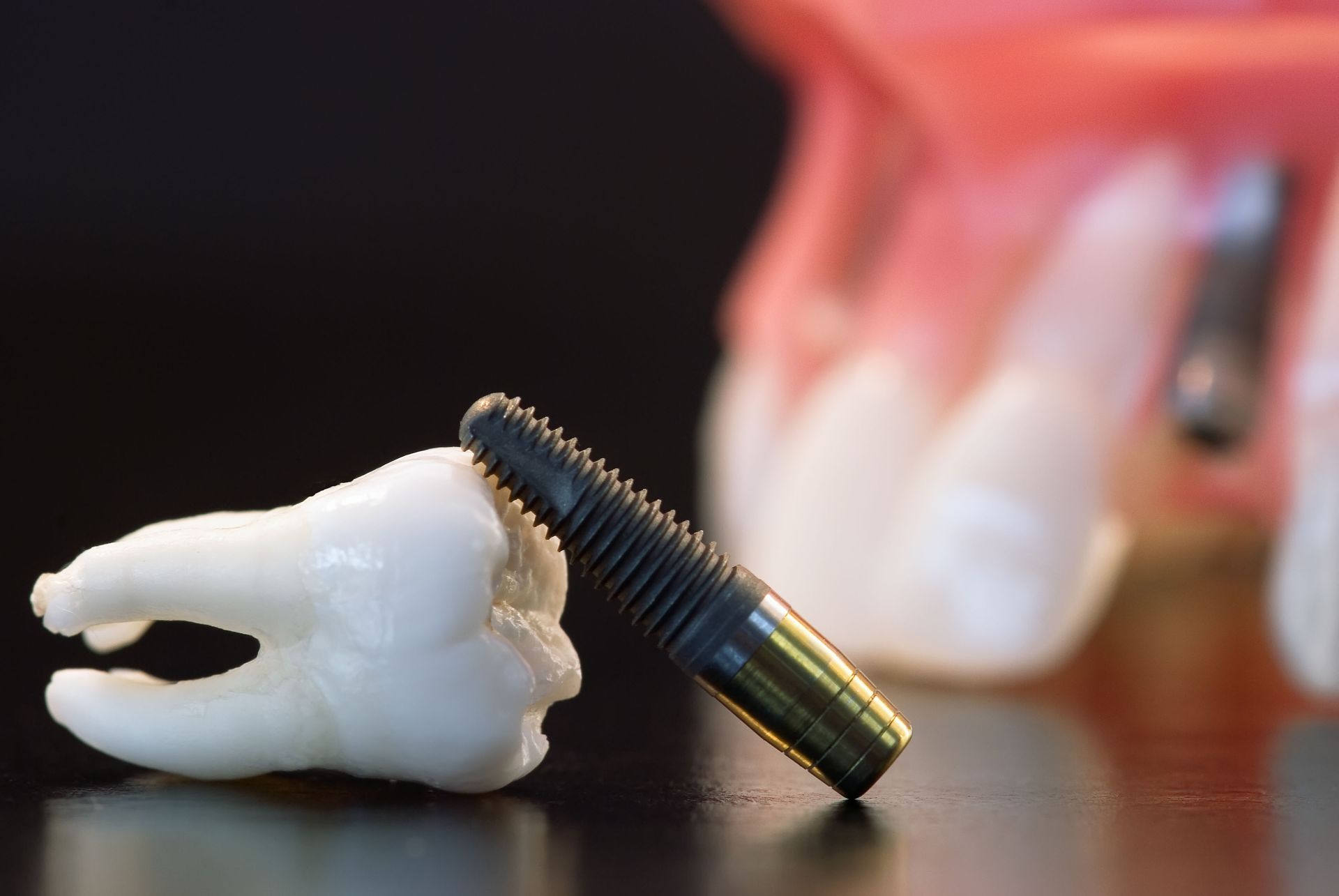
Bone grafting is integral to many dental procedures, particularly those involving dental implants and reconstructive efforts. The primary function of a dental implant is to serve as an artificial tooth root, which requires a solid base of bone to anchor successfully. Without sufficient bone density and volume, dental implants may not achieve the stability they need, which can compromise their efficacy and longevity. Bone grafting enhances the success potential of dental implants by ensuring the jawbone is robust and capable of supporting the implants.
Moreover, bone grafting can support aesthetic dental procedures by reconstructing the natural contours of the jawbone following bone loss. Loss of bone volume can lead to changes in the face's symmetry and profile, affecting appearance and self-esteem. Through bone grafting, oral surgeons can often restore the jawline and face shape to their original contours, thereby promoting not only physical but also psychological well-being. Patients who undergo aesthetic reconstructions often report enhanced satisfaction with their appearance following successful bone grafting procedures.
Bone grafting is also crucial in addressing congenital or developmental defects in the jaw structure. In some individuals, bone abnormalities may impede normal oral functions or contribute to malocclusion, which can lead to difficulties in eating, speaking, and maintaining oral hygiene. By utilizing bone grafts to correct these structural anomalies, oral surgeons can significantly improve functionality and oral health outcomes. Overall, bone grafting helps create a solid foundation for various dental treatments, ranging from simple implant placements to complex reconstructive surgeries.
Relying on Oral Surgeons for Expert Care
Oral surgeons are critical professionals in the field of bone grafting, possessing the expertise necessary for conducting these sophisticated surgical procedures. Their specialized training and experience enable them to assess each patient's unique oral health conditions and determine the most effective treatment approaches. During a bone grafting procedure, oral surgeons carefully plan and execute the placement of bone grafts, utilizing their knowledge of jaw anatomy and surgical techniques to ensure success. Their role extends beyond surgery, as they also provide essential pre-operative and post-operative care to promote healing and integration of the graft.
In addition to their surgical expertise, oral surgeons are adept at using various diagnostic tools to evaluate bone quality and structure before the grafting procedure. Advanced imaging technologies, such as 3D scans and CT images, allow them to precisely measure the bone's density and identify areas requiring augmentation. This detailed assessment helps oral surgeons devise a tailored treatment plan that addresses specific bone grafting needs and enhances the likelihood of a successful outcome. Because of their comprehensive skill set, oral surgeons are indispensable in managing complex dental cases that involve bone grafting.
Collaboration with other dental professionals is another key aspect of an oral surgeon's role in bone grafting. Working with periodontists, prosthodontists, and general dentists, oral surgeons ensure that the bone grafting procedure aligns with the patient's overall dental treatment plan. This multidisciplinary approach is essential for achieving optimal results, especially in cases requiring intricate restorative or cosmetic enhancements. As part of a collaborative dental team, oral surgeons contribute significantly to advancing patient care and ensuring healthy, functional, and aesthetically pleasing outcomes in bone grafting treatments.
Bone grafting is a vital component of dental health, crucial for ensuring the success of restorative dental procedures and enduring oral health improvement. Through the expertise of oral surgeons, bone grafting helps address bone deficiencies, pave the way for dental implants, and reconstruct jawbone integrity after tooth loss or trauma. The versatility and effectiveness of bone grafting extend beyond implant preparation, supporting broader dental objectives such as aesthetic enhancements and correction of structural anomalies. As technology and techniques continue to evolve, bone grafting will persist as an essential and reliable solution in the toolkit of modern dentistry, providing robust foundations for healthier, more resilient smiles. Reach out to Harvey L Shuster DDS to learn more today.