February 16, 2026
Regular checkups at a local dental clinic are essential for maintaining a healthy smile, but what you do between dentist appointments is just as important. Daily habits, lifestyle choices, and preventive care all play a major role in keeping your teeth and gums strong year-round. By taking a proactive approach to oral health at home, you can prevent common dental issues, reduce the risk of costly treatments, and ensure your next dental visit goes smoothly. Below, we’ll explore practical and effective ways to maintain your dental health between appointments.
Why At-Home Dental Care Matters
Dental visits typically occur only once or twice a year, leaving the majority of oral care responsibility in your hands. Plaque buildup, cavities, gum disease, and enamel erosion can develop gradually without obvious symptoms; in fact, according to Forbes, 42% of U.S. adults have gum disease! Consistent at-home care helps control bacteria, strengthens enamel, and protects gum tissue before problems escalate. Maintaining good habits between visits also allows your dentist to focus on preventive care rather than corrective treatments, saving you time, discomfort, and expense.
Brush Properly and Consistently
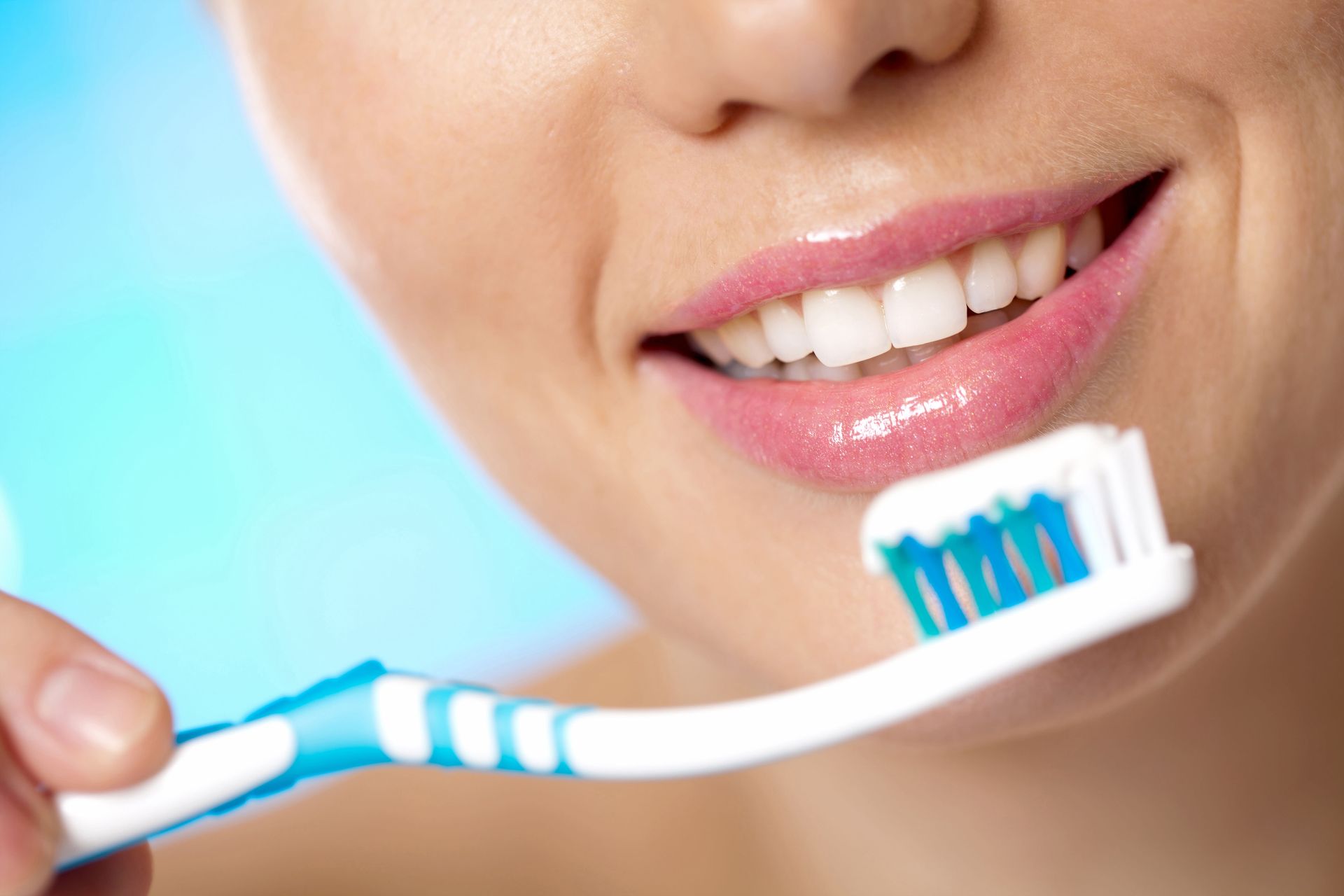
Brushing your teeth twice a day is the foundation of good oral health, but technique matters just as much as frequency. Use a soft-bristled toothbrush and fluoride toothpaste to gently clean all tooth surfaces. Hold your brush at a 45-degree angle toward the gums and use small, circular motions to remove plaque without irritating gum tissue. Spend at least two minutes brushing, ensuring you reach the front, back, and chewing surfaces of every tooth. Replace your toothbrush every three to four months, or sooner if the bristles are frayed. A worn toothbrush is less effective at removing plaque and can harbor bacteria. Electric toothbrushes can also be a great option, as they often provide more consistent pressure and timing.
Don’t Skip Flossing
Any dental clinic will tell you that flossing once a day is crucial for removing food particles and plaque from areas your toothbrush can’t reach. The spaces between teeth and along the gums are prime locations for cavities and gum disease to develop. Gently guide the floss between each tooth, curving it into a “C” shape around the tooth and sliding it below the gums. If traditional floss is difficult to use, alternatives such as floss picks or interdental brushes can be effective. The key is consistency—daily interdental cleaning significantly reduces the risk of gingivitis and bad breath.
Use Mouthwash as a Supplement
Mouthwash can be a helpful addition to your oral hygiene routine, but it should never replace brushing and flossing. An antimicrobial mouthwash helps reduce bacteria, control plaque, and freshen breath. Fluoride rinses can strengthen enamel and provide extra protection against cavities, especially for individuals prone to tooth decay. Choose a mouthwash that addresses your specific needs, such as gum health, sensitivity, or cavity prevention. Swish for the recommended time and avoid eating or drinking for at least 30 minutes afterward to allow the ingredients to work effectively. If you need a recommendation for a mouthwash brand, ask your local dental clinic for advice!
Maintain a Tooth-Friendly Diet
What you eat has a direct impact on your dental health. Sugary and starchy foods feed harmful bacteria that produce acids, leading to enamel erosion and cavities. Limiting snacks like candy, soda, baked goods, and chips can significantly reduce your risk of tooth decay. Instead, focus on a balanced diet rich in fruits, vegetables, lean proteins, dairy products, and whole grains. Foods high in calcium and phosphorus, such as cheese, yogurt, and leafy greens, help strengthen teeth. Crunchy fruits and vegetables like apples and carrots can stimulate saliva production, which naturally cleanses the mouth.
Stay Hydrated
Drinking plenty of water throughout the day supports overall health and oral hygiene. Water helps rinse away food particles and bacteria, keeping your mouth clean between brushing sessions. If your local water supply is fluoridated, drinking tap water also provides added protection against cavities. Limit acidic and sugary beverages such as soda, sports drinks, and fruit juices. If you do consume them, use a straw to minimize contact with teeth and rinse your mouth with water afterward to reduce acid exposure.
Protect Your Teeth from Damage
Daily activities can put your teeth at risk if you’re not careful. Avoid using your teeth to open packages, bite nails, or chew on hard objects like ice or pens. These habits can cause chips, cracks, or enamel wear. If you participate in contact sports or grind your teeth at night, consider using a custom mouth guard. Mouth guards protect against physical trauma and prevent excessive wear from grinding or clenching, helping preserve tooth structure between dental visits.
Watch for Early Warning Signs
Being aware of changes in your oral health allows you to address issues early. Symptoms such as persistent bad breath, bleeding gums, tooth sensitivity, jaw pain, or discoloration should not be ignored. While some issues may seem minor, they can indicate underlying problems that require professional attention by a dental clinic. If you notice anything unusual, contact your dental clinic promptly rather than waiting for your next scheduled appointment. Early intervention often leads to simpler and more effective treatment.
Practice Good Gum Care
Healthy gums are just as important as healthy teeth. Gum disease often begins silently, with mild inflammation or bleeding during brushing. Gentle brushing along the gums and consistent flossing help remove bacteria that cause gum irritation. Massaging the gums with your toothbrush can stimulate circulation and promote tissue health. If you notice redness, swelling, or tenderness, increasing your oral hygiene efforts and consulting your local dental clinic can prevent progression to more serious periodontal disease.
Limit Tobacco and Alcohol Use
Tobacco products significantly increase the risk of gum disease, tooth discoloration, bad breath, and oral cancer. Smoking and chewing tobacco also impair healing and reduce blood flow to the gums. Reducing or eliminating tobacco use can dramatically improve your oral and overall health. Excessive alcohol consumption can dry out the mouth and increase acidity, creating an environment where bacteria thrive. Moderation and proper hydration can help mitigate these effects and protect your teeth.
Maintain a Consistent Oral Care Routine
Consistency is the key to maintaining dental health between appointments at your local dental clinic. Establish a daily routine that includes brushing twice a day, flossing once a day, and using mouthwash as needed. Keeping your oral care tools easily accessible and setting reminders can help reinforce these habits. Teaching children and family members the importance of consistent oral hygiene also fosters lifelong dental health and reduces the likelihood of future problems.
Prepare for Your Next Dental Visit
Maintaining good dental health between visits ensures your next appointment is more efficient and less stressful. Keep track of any concerns or changes you’ve noticed so you can discuss them with your dentist. Regular cleanings and exams are more effective when supported by strong at-home care. By following these steps, you actively protect your smile and contribute to long-term oral health. A little daily effort goes a long way toward preventing dental issues and ensuring your teeth and gums remain healthy between professional checkups.
With mindful habits, a balanced diet, and consistent hygiene practices, you can take control of your oral health every day, making each dental visit a confirmation of your efforts rather than a repair session. Ready to schedule an appointment? Our dental clinic has two locations in Eastchester, NY and Rye Brook, NY. Contact Harvey L Shuster DDS today!