March 10, 2026
Dental implants have become a widely preferred solution for replacing missing teeth due to their durability, natural appearance, and functional benefits. If you're considering this dental procedure, understanding the key facts can help you make an informed decision. From success rates to care requirements, these insights highlight why dental implants are trusted by millions of patients worldwide.
Understanding What Dental Implants Are
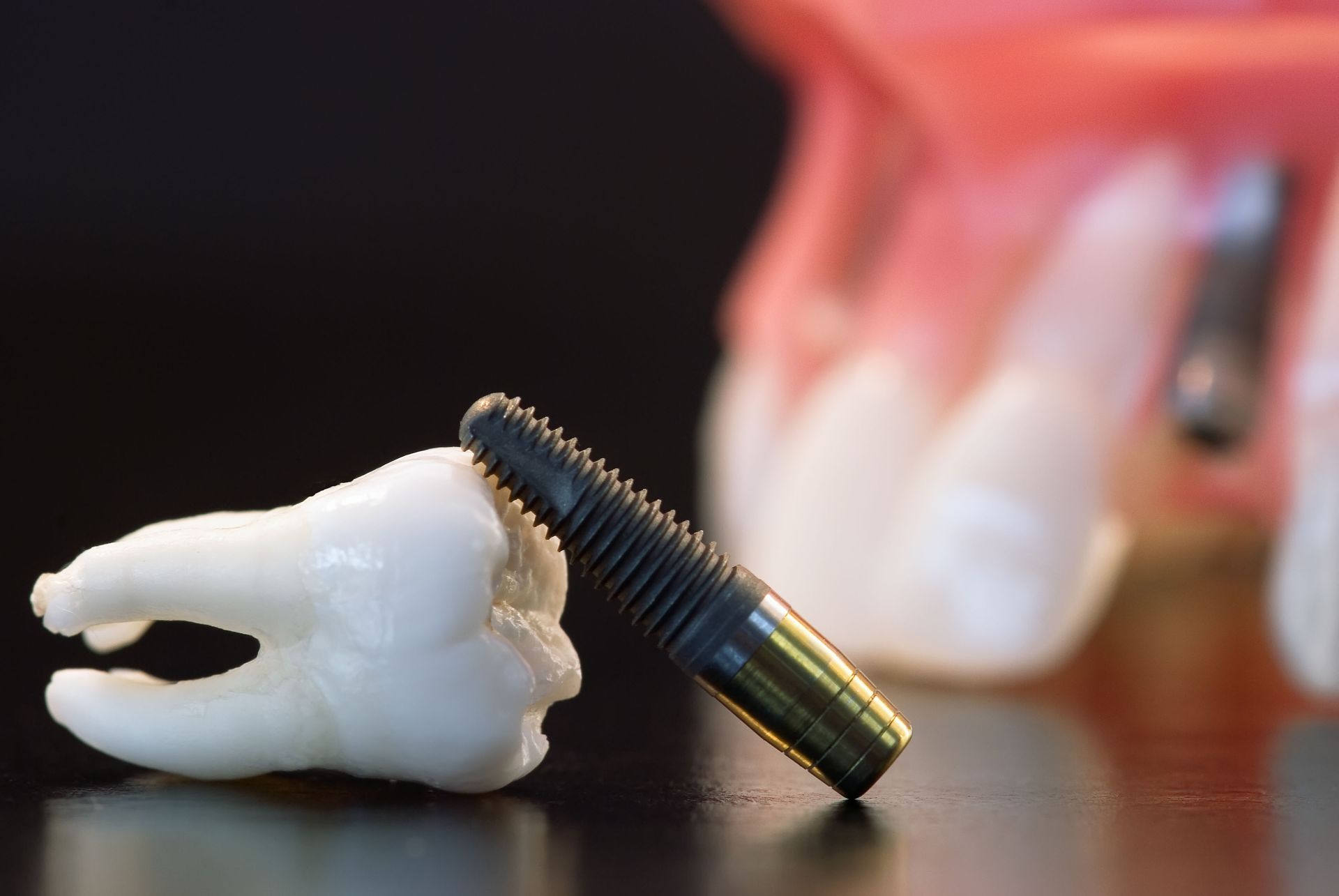
Dental implants are artificial tooth roots, typically made of titanium, that provide a stable foundation for replacement teeth. Unlike dentures or bridges, implants integrate with the jawbone, which allows them to function much like natural teeth. This makes them a long-term solution for tooth loss, offering both aesthetic and functional advantages.
In addition to functionality, dental implants are designed to mimic the natural look of teeth. The crowns attached to the implant can be color-matched and shaped to complement your smile. This ensures that implants blend seamlessly with surrounding teeth, making them virtually indistinguishable from natural teeth.
Identifying Who Can Benefit from Dental Implants
Not everyone is automatically a candidate for dental implants. Ideal candidates are adults with healthy gums and sufficient jawbone density to support the implant. Patients with chronic conditions, such as uncontrolled diabetes or gum disease, may require additional treatment before proceeding. Consulting with a dental professional helps determine whether implants are appropriate for your unique oral health situation.
Even patients who have lost bone density can often become candidates through bone grafting procedures. This means that even those with jawbone deterioration have options for achieving a stable and functional dental implant, expanding accessibility to a wider range of patients.
Highlighting the Popularity of Dental Implants
Dental implants are increasingly common due to their high success rates and effectiveness. According to Grand View Research, 5 million dental implant procedures are performed in the U.S. annually, with about a 95% success rate. This statistic highlights the widespread adoption of implants and the confidence dental professionals have in this treatment option. Patients are drawn to implants because they offer long-lasting results and minimal maintenance compared to other tooth replacement methods.
The growing popularity is also influenced by patients' desire for a permanent solution compared to removable options. With advances in materials and surgical techniques, implants have become more predictable and less invasive, encouraging more individuals to choose them over traditional dentures or bridges.
Explaining the Procedure Process
The dental implant process typically occurs in several stages. First, the implant is surgically placed into the jawbone. Over a period of months, the implant fuses with the bone, creating a stable anchor. Once healing is complete, a custom crown is attached to the implant. Some cases may involve bone grafting or sinus lifts to ensure sufficient support. Understanding the procedural steps helps patients set realistic expectations regarding timeline and recovery.
Patients should also understand that the healing process is critical to the long-term success of the implant. Following post-surgery instructions, such as avoiding certain foods and maintaining proper oral hygiene, ensures the implant integrates fully with the bone, reducing the risk of complications or implant failure.
Comparing Advantages Over Traditional Tooth Replacements
One of the primary reasons patients choose dental implants is their superiority over traditional tooth replacement options. Unlike dentures, implants do not slip or require adhesives. They also help preserve jawbone structure, preventing the bone loss that often accompanies missing teeth. Additionally, implants allow patients to eat, speak, and smile with confidence, restoring both function and appearance.
Another advantage is that implants do not require modification of adjacent teeth, unlike some bridges. This preserves natural tooth structure and overall oral health, making implants a less invasive and more sustainable solution for tooth replacement.
Maintaining Longevity and Oral Health
Dental implants are designed for long-term use, but proper care is essential. Regular brushing, flossing, and routine dental check-ups help maintain oral health and ensure the implant's longevity. With good oral hygiene, dental implants can last decades, often outlasting other tooth replacement options. Patients should also avoid habits like smoking, which can hinder healing and reduce success rates.
It's also important to maintain professional dental cleanings, as plaque and tartar can still accumulate around implants. Dentists may recommend specialized tools or cleaning techniques to prevent gum inflammation and support the overall health of the implant and surrounding tissues.
Evaluating Potential Risks and Considerations
While dental implants boast high success rates, it's important to consider potential risks. Complications may include infection, nerve damage, or implant failure in rare cases. Choosing a qualified dental professional and following pre- and post-operative instructions can mitigate most risks. Discussing medical history, medications, and lifestyle factors during consultation ensures that any potential challenges are addressed in advance.
Some patients may experience temporary discomfort or swelling after surgery. Understanding these minor side effects helps set expectations and reduces anxiety, as most issues are manageable and subside with proper care and follow-up appointments.
Assessing Costs and Insurance Coverage
The cost of dental implants varies depending on factors like the number of teeth being replaced, the complexity of the procedure, and geographic location. While implants are often more expensive upfront than alternatives like dentures, their durability and low maintenance can make them more cost-effective over time. Many dental insurance plans partially cover implant procedures, so verifying benefits with your provider is recommended before scheduling treatment.
Exploring Innovations and Technological Advances
Advances in dental technology have made implants safer, faster, and more predictable. Digital imaging, 3D modeling, and computer-guided surgery allow for precise placement, reducing recovery time and improving outcomes. These innovations also enable customized implant solutions that match the patient's natural teeth in size, shape, and color. Staying informed about new developments helps patients make educated decisions about their treatment.
Supporting Overall Oral Health
Dental implants do more than replace missing teeth - they also support overall oral health. By stimulating the jawbone, implants prevent the bone deterioration that occurs when teeth are missing. They also help maintain proper alignment of surrounding teeth, reducing the risk of bite problems or shifting. Patients who receive implants often experience improved comfort, function, and confidence compared to removable alternatives.
Preparing for the Procedure
Preparation is key to a successful dental implant procedure. Patients may undergo imaging, dental cleaning, and health assessments before surgery. Following pre-operative instructions, such as fasting or adjusting medications, helps minimize complications. Open communication with your dental professional about any concerns ensures a smoother experience and contributes to a higher success rate.
Following Post-Procedure Recovery and Care
Recovery after implant surgery typically involves minor swelling, discomfort, or bruising, which generally resolves within a few days. Patients are advised to follow a soft-food diet initially and avoid strenuous activity. Post-procedure check-ups allow the dentist to monitor healing and address any issues promptly. Proper care during recovery sets the stage for long-term implant success and comfort.
Making an Informed Decision
Choosing dental implants is a significant decision, but understanding the benefits, risks, and care requirements makes the process less daunting. Patients should consider their overall health, lifestyle, and aesthetic goals when weighing options. Consulting a trusted dental professional ensures personalized guidance and increases the likelihood of a successful, satisfying outcome.
Dental implants are a reliable and effective solution for replacing missing teeth, offering durability, natural appearance, and improved oral health. With a high success rate and long-lasting results, implants have become a preferred choice for patients seeking both function and aesthetics. By understanding the procedure, maintenance requirements, and potential considerations, you can make an informed decision about your dental care. Schedule a consultation for dental implants with Harvey L Shuster DDS today to restore your smile with lasting confidence.