April 7, 2026
Dental implants are a widely used solution for replacing missing teeth, offering both functional and aesthetic benefits. While the process involves multiple stages, understanding what to expect can make the experience more manageable and less intimidating. This guide provides a clear overview so patients can feel prepared before moving forward.
This guide outlines the dental implant process in detail, helping you understand how each phase works and what you can expect along the way. By becoming familiar with the process, patients can take a more active role in their care. This approach supports better communication and more informed decision-making.
Essential Dental Implants
Defining Implants
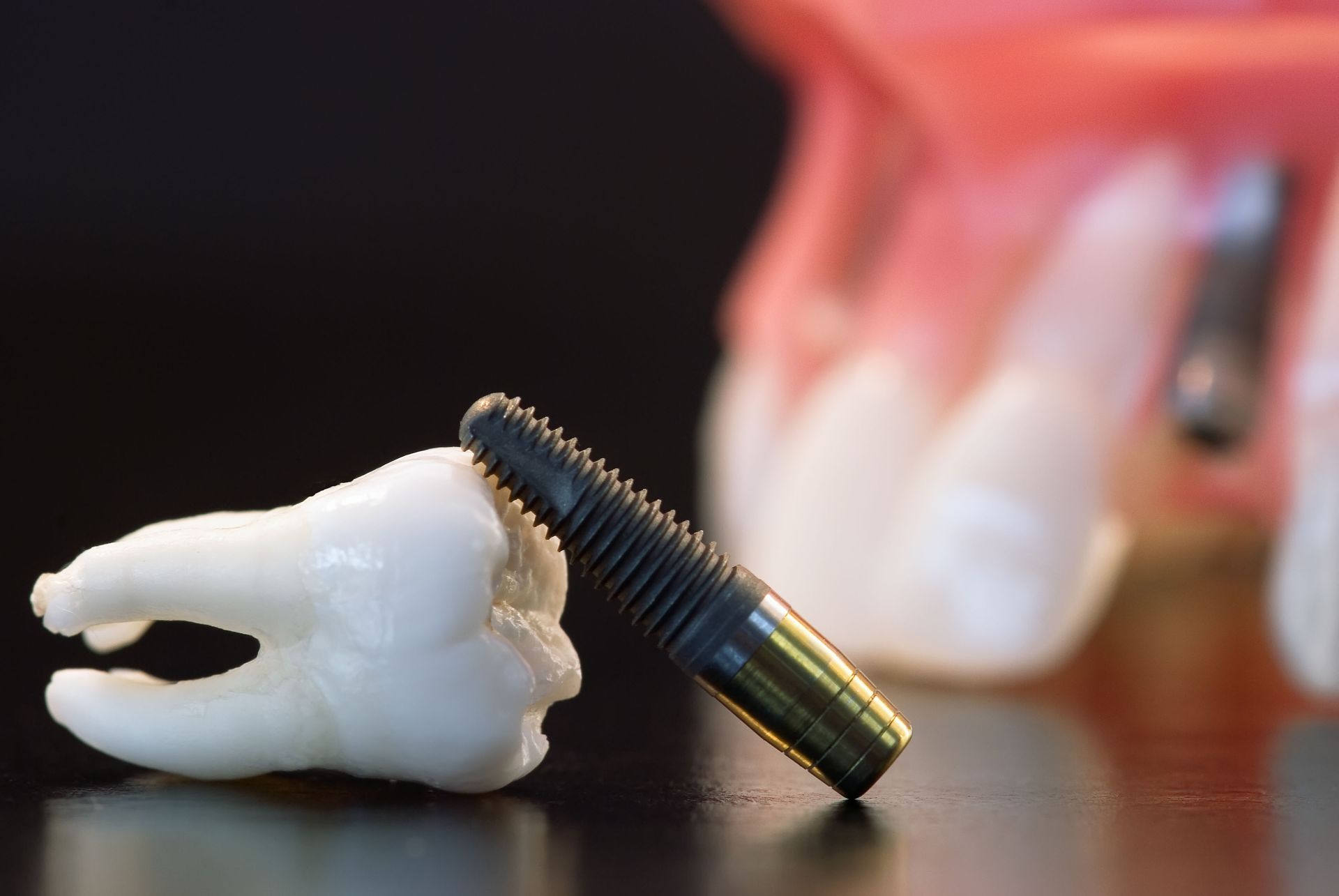
Overall, dental implants are artificial tooth roots that are placed into the jawbone to support replacement teeth. Designed to function like natural teeth, they provide a stable and secure foundation for restoring your smile. This solution is often considered when teeth are missing due to injury, decay, or other oral health concerns.
Exploring Types of Dental Implants
Implant treatment is not one-size-fits-all. The approach used depends on factors such as bone structure, oral health, and overall treatment goals. Each case is evaluated individually to determine the most appropriate method.
During your consultation, your provider will evaluate your condition and determine the most appropriate method for implant placement. In some cases, additional procedures such as bone grafting may be recommended to create a stable foundation for the implant. These decisions are based on diagnostic findings and long-term goals.
A personalized treatment plan ensures that each patient receives care tailored to their specific needs. This approach helps improve outcomes and supports a more predictable process. It also allows patients to better understand each step involved.
Reviewing Outcomes of Dental Implant Treatment
Dental implants are considered a predictable option for tooth replacement. Long-term success depends on factors such as proper placement, bone health, and consistent oral hygiene. These factors work together to support stability.
Routine dental visits and adherence to post-operative guidelines help support the stability and function of the implant over time. Ongoing care plays a key role in maintaining results. Patients are encouraged to follow recommendations closely.
According to DentistryIQ, owner dentists work about five more hours per week than associates. This reflects the level of involvement often required in patient care and procedural oversight. Consistent attention to detail contributes to overall treatment success.
Pre-Surgical Consultation and Examination
Assessing Oral Health
The process begins with a comprehensive consultation. During this visit, your provider will review your medical history and evaluate your oral health to determine if a dental implant is appropriate for you. This step helps establish a clear starting point for treatment.
This assessment helps identify any factors that may affect healing or treatment outcomes and ensures that your care plan is developed with your overall health in mind. Addressing these factors early supports a smoother process. It also helps reduce potential complications.
Understanding your current oral health condition allows for more accurate planning. This ensures each step of treatment is aligned with your needs. It also provides a foundation for long-term success.
Using 3D Imaging
Advanced imaging technology, such as 3D scans, is used to evaluate the structure of the jawbone and surrounding tissues. These detailed images allow for precise planning of implant placement. Accurate imaging is a key part of the preparation process.
Accurate imaging helps guide the procedure and supports a more predictable outcome by identifying the best location and positioning for the implant. This reduces the likelihood of complications. It also improves overall efficiency.
Using advanced imaging enhances both safety and precision. Patients benefit from a more informed approach to care. This technology supports better long-term results.
Pre-Surgical Preparation
Preparing Patients
Before the procedure, patients receive detailed instructions to help prepare for surgery. These guidelines may include information about medications, eating restrictions, and oral hygiene practices. Proper preparation is essential for success.
Following these instructions closely supports a smoother procedure and recovery process. It also helps reduce the risk of complications. Consistency is key during this phase.
Preparation ensures that patients are physically ready for surgery. It also supports better healing afterward. Taking these steps seriously can improve overall results.
Managing Diet and Medication
Your provider may recommend temporary dietary adjustments before and after the procedure. A soft diet is often advised to avoid placing stress on the implant site. This helps protect the area during healing.
Medication instructions will also be provided to support comfort and healing. Following these instructions carefully is important. It helps manage symptoms effectively.
Proper nutrition and medication use contribute to a smoother recovery. These factors support the body's natural healing process. Consistency is essential during this stage.
Surgical Dental Implant Procedure
Placing Implants
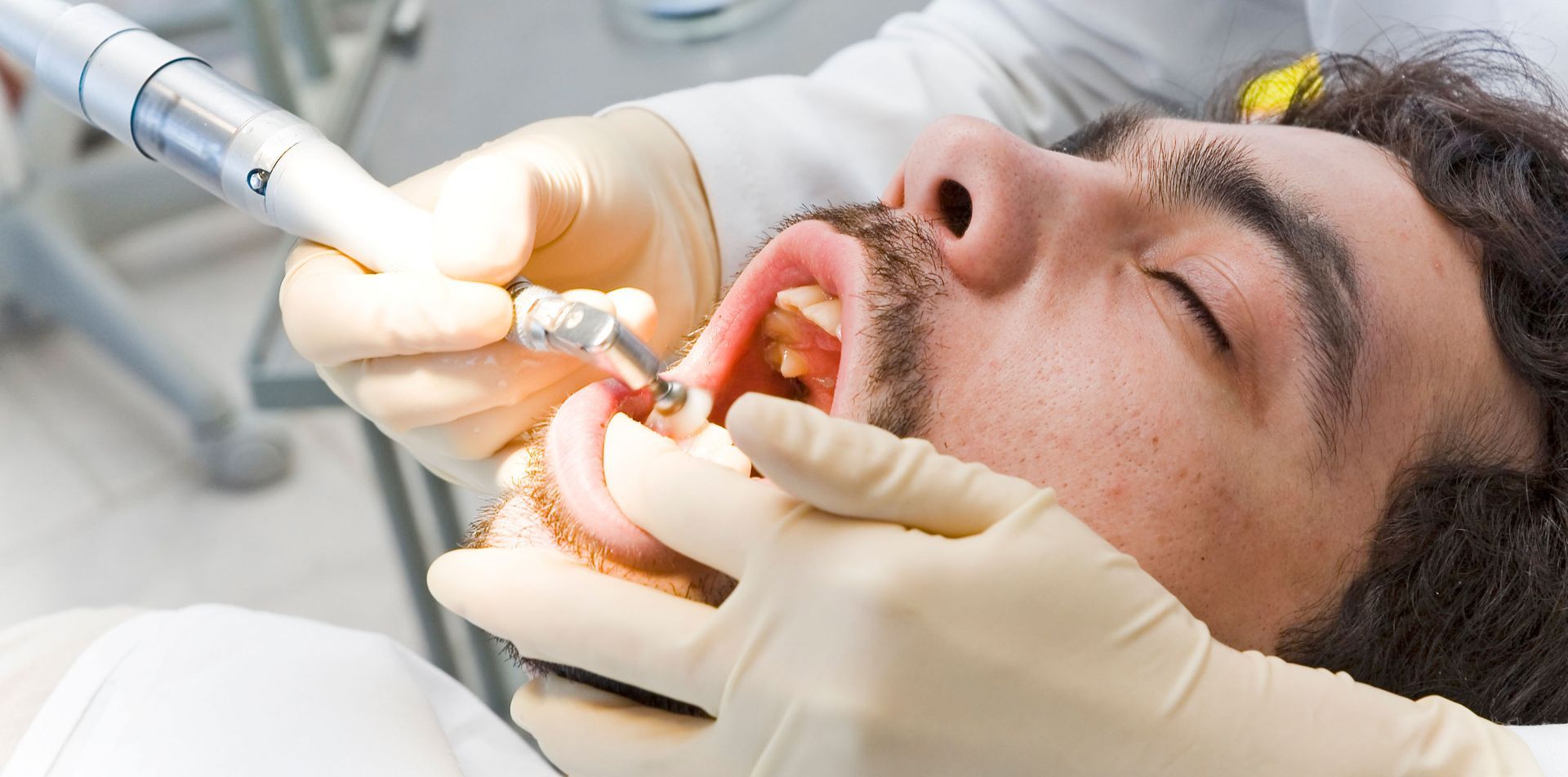
During the procedure, the implant is carefully placed into the jawbone. This involves preparing the site, positioning the implant, and securing it in place to function as an artificial root. Precision is essential during this stage.
Once the implant is placed, the area is closed to allow for healing and integration with the surrounding bone. This healing phase is critical for long-term stability. Proper care supports successful integration.
The placement process is performed with attention to detail. Each step is designed to support long-term results. Patients benefit from a structured approach.
Timing the Procedure
The length of the procedure can vary depending on the number of implants and whether additional treatments, such as bone grafting, are required. Each case is unique. Timing is based on individual needs.
After the procedure, some swelling or mild discomfort is expected. These symptoms are typically managed with recommended care and medication. Most symptoms improve within a few days.
Understanding what to expect helps patients prepare for recovery. It also reduces uncertainty. Planning ahead supports a smoother experience.
Planning for the Procedure Duration
The length of the procedure can vary depending on the number of implants and whether additional treatments, such as bone grafting, are required. Each case is unique. Timing is based on individual needs.
After the procedure, some swelling or mild discomfort is expected. These symptoms are typically managed with recommended care and medication. Most symptoms improve within a few days.
Understanding what to expect helps patients prepare for recovery. It also reduces uncertainty. Planning ahead supports a smoother experience.
Post-Surgical Recovery and Care
Providing Aftercare
Following surgery, patients should follow all aftercare instructions provided by their dental team. This may include maintaining oral hygiene, avoiding certain foods, and allowing time for rest. Consistent care supports healing.
Adhering to these guidelines helps protect the surgical site. It also reduces the risk of complications. Patients should follow all recommendations closely.
Proper aftercare contributes to long-term success. It supports stability and integration. Recovery is an important part of the process.
Managing Side Effects
Some swelling, bruising, or mild discomfort is normal after the procedure. These effects typically improve within several days and can be managed with recommended care. Monitoring symptoms is important.
Following instructions helps reduce discomfort. It also supports healing. Patients should contact their provider if concerns arise.
Managing side effects effectively improves the recovery experience. It allows patients to return to normal activities gradually. Careful attention is beneficial.
The dental implant process involves several carefully planned steps that support long-term function and oral health. From consultation through recovery, knowing what to expect can help patients feel more informed and at ease throughout treatment. A structured approach helps ensure consistency and clarity. With advanced imaging, personalized care, and a focus on comfort, dental implant solutions remain a dependable way to restore missing teeth. To learn more about implant options, contact Harvey L. Shuster, DDS.