May 13, 2026
Taking care of your mouth involves more than just brushing and flossing every day. While a regular dentist handles cleanings and fillings, some situations require a different level of care. You might find yourself needing a more advanced approach for complex issues involving your teeth, jaw, or gums. This is when an oral surgeon becomes a vital part of your health care team. These professionals have years of training beyond dental school to handle surgeries and procedures that go deep into the structures of the face and mouth. Knowing when to make that transition from a general checkup to a surgical consultation helps you get the right care at the right time.
Replacing Missing Teeth
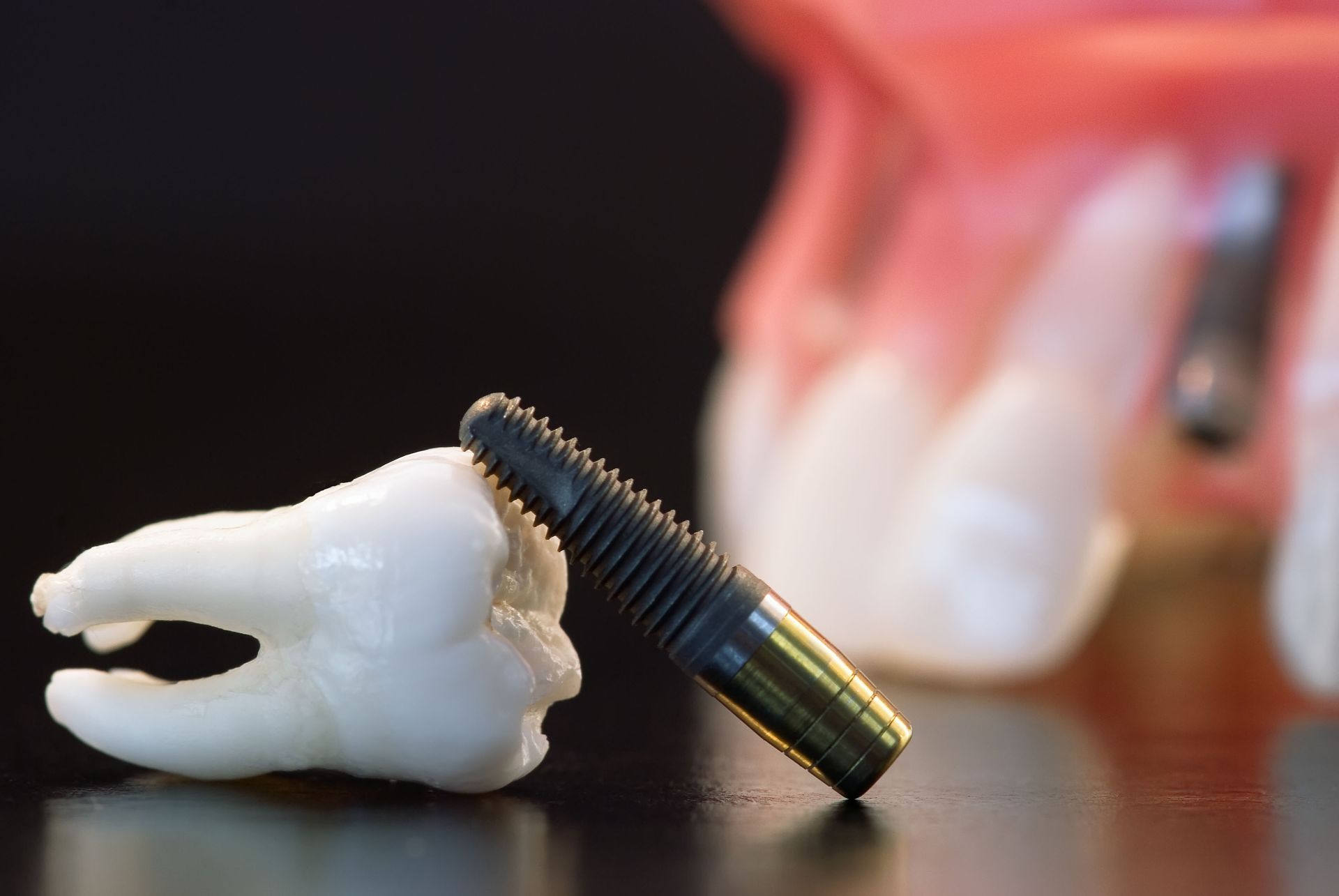
Losing a tooth can change how you feel about your smile. It can also change how you eat and speak. One of the most common reasons to visit an oral surgeon is to discuss dental implants. These are permanent replacements for missing teeth that look and act like the real thing. Unlike removable options that might slip or feel uncomfortable, implants are anchored directly into the jaw. This creates a strong foundation that supports a crown, making it feel just like a natural tooth.
The process involves placing a small post into the bone. Over time, the bone grows around this post. This creates a solid bond. Because the implant replaces the root of the tooth, it helps keep the jawbone healthy. When a tooth is missing, the bone underneath can start to shrink away because it no longer has a job to do. By putting an implant in place, you give the bone a reason to stay strong. This helps keep your facial shape looking youthful and prevents other teeth from shifting out of place. It is a long-term solution for a gap in your smile.
When you lose a tooth, the surrounding teeth may begin to tilt or drift into the empty space. This can lead to bite problems or even jaw pain. Seeking professional help to get an implant prevents these alignment issues before they start. The surgical process is very controlled and focused on long-term success. Once the area has healed, you have a tooth that functions just like the ones you were born with. You can eat the foods you love and laugh without worrying about how your teeth look.
Removing Impacted Molars
Most people develop a third set of molars in their late teens or early twenties. These are often called wisdom teeth. For many, there simply is not enough room in the mouth for these extra teeth to come in properly. They might grow in at an angle, get stuck under the gums, or push against other teeth. This can cause significant pain, swelling, and even infections. When this happens, an oral surgeon is the right person to handle the extraction. They have the tools and training to remove these teeth safely, even if they are deep inside the jaw.
The procedure is very common and streamlined. According to WebMD, wisdom teeth removal surgery usually takes 45 minutes or less. This quick timeframe means you can spend more time recovering in the comfort of your own home rather than in a clinic. Getting these teeth out before they cause problems is often the best path. If you wait until they are causing intense pain, the roots might be more developed, making the process more complex. Seeking professional help when you first notice discomfort or when your X-rays show a lack of space is a smart move for your future comfort.
Crowding is a major concern with these late-arriving molars. Even if they do manage to break through the gums, they are often so far back in the mouth that they are hard to clean. This leads to a higher risk of decay and gum disease in that specific area. By opting for surgical removal, you protect the health of your second molars and the rest of your smile. The relief that comes from removing a source of pressure and potential infection is well worth the short recovery time.
Rebuilding Lost Bone
Sometimes, there is not enough bone in the jaw to support a dental implant or to keep the face looking full. This can happen because of long-term tooth loss, gum disease, or injury. In these cases, bone grafting is used to build the area back up. This involves taking bone material and placing it where it is needed most. Over several months, your body uses this material as a map to grow new, healthy bone of its own. This process makes the jaw thick and strong again.
An oral surgeon performs this procedure to create a stable base for future work. If you tried to place an implant into thin bone, it might not stay in place. By rebuilding the foundation first, you make sure that any future dental work is successful. This also helps maintain the natural contours of your face. Without enough bone, the skin around the mouth can start to sag, making a person look older than they really are. Grafting keeps the structure of the face intact and prepares the mouth for a beautiful, functional restoration.
The process of rebuilding bone is a remarkable example of how the body can heal itself when given the right environment. While it takes time for the new bone to fully integrate, the results are very stable. This procedure is often done at the same time a tooth is removed to preserve the socket. By seeking professional help for bone grafting, you are investing in the long-term health of your jaw. It ensures that your facial features remain supported and that you have plenty of options for tooth replacement in the future.
Sampling Abnormal Tissues
During a routine checkup, a dentist might find a spot in your mouth that looks unusual. This could be a bump, a sore that does not heal, or a patch of discolored skin on the tongue or cheeks. While many of these spots are harmless, it is important to know for sure what they are. A dental biopsy is a fast and accurate way to get answers. An oral surgeon will take a small sample of the suspicious tissue and send it to a lab for testing. This is the most reliable way to rule out serious conditions or catch them early when they are easiest to treat.
The biopsy process is usually very quick and involves very little discomfort. Getting a clear answer provides peace of mind. If the results show that something is wrong, you can start a treatment plan immediately. Early detection is the most important factor in managing oral health issues. Instead of worrying about a strange mark, seeking professional help allows you to take control of the situation. Having a clear diagnosis means you and your healthcare team can make the best decisions for your well-being.
Sometimes, these biopsies are used to identify the cause of chronic pain or persistent swelling that does not respond to other treatments. By looking at the cells under a microscope, the lab can determine exactly what is happening beneath the surface. This level of detail is something that cannot be achieved with a visual exam alone. Your health is the priority, and taking a small sample is a proactive step toward maintaining it.
Choosing to have surgery is a big decision, but it is often the most effective way to protect your health. When you face issues that go beyond the surface of your teeth, the skills of a surgical professional are necessary. They look at the big picture of your facial structure and oral health to provide solutions that last a lifetime. From replacing missing teeth to checking on suspicious spots, these procedures are designed to keep you smiling with confidence. If you have questions about your dental health or think you may need a procedure, schedule a consultation with an oral surgeon at Harvey L Shuster DDS today.