May 7, 2026
Taking care of your teeth is about more than just brushing and flossing—sometimes, you need a specialist. Knowing when to see an oral surgeon can be the difference between a quick fix and a major headache. If you’re noticing any of these signs, it might be time to book a consultation.
1. Persistent Jaw Pain or Discomfort
Persistent jaw pain can be an early warning sign that a professional evaluation is necessary. Often, such pain can stem from underlying issues like joint problems or misalignment. Ignoring these symptoms can lead to worsening conditions and increased difficulty in resolving the problem. Over-the-counter pain relief is a temporary solution that addresses symptoms but not the cause.
Chronic jaw pain can affect daily activities significantly. Difficulty in chewing and talking can hinder one's quality of life. Furthermore, this discomfort can disrupt sleep patterns and create a constant state of fatigue and irritability. These interruptions often result from misalignment issues that require surgical intervention to correct. Correcting these problems can vastly improve life quality for those who suffer from constant jaw pain.
Diagnosing jaw pain often involves multiple approaches, including diagnostic tests. Imagery techniques like X-rays or MRIs might be used to understand the issue better. In some cases, conditions such as temporomandibular joint disorders (TMJ) might be suspected. Surgical options such as orthognathic surgery could be explored to realign the jaw and alleviate pain.
2. Impacted Wisdom Teeth
Wisdom teeth often fail to erupt properly, becoming impacted and causing various oral health issues. Impacted teeth can remain partially hidden beneath the gums or start growing at awkward angles. This can cause pain, swelling, and even infection. Furthermore, they can push against other teeth, leading to crowding and misalignment. Oral surgeons frequently deal with impacted wisdom teeth, providing relief and preventing further complications.
The risks of ignoring wisdom teeth issues are substantial. Beyond the discomfort, impacted teeth can lead to cysts that damage healthy bone and gum tissue. Moreover, trapped food and bacteria around wisdom teeth can cause severe dental caries and infection. This risk is magnified by the fact that wisdom teeth can be difficult to clean thoroughly. An oral surgeon can advise on the necessity of extraction, considering the long-term health prospects of your mouth.
Preparing for the extraction of wisdom teeth is a process that an oral surgeon will guide you through. Pre-surgery consultations will include imaging and possibly a discussion of anesthesia types. The actual procedure is typically routine but varies depending on the severity of the impaction. Aftercare is crucial and involves maintaining oral hygiene and following dietary restrictions to facilitate smooth recovery.
3. Tooth Loss or Severe Tooth Damage
Tooth loss or severe tooth damage can stem from various causes, including trauma, decay, or gum disease. With the prevalence of complete tooth loss being about 7% globally among individuals over 20, according to the World Health Organization, timely intervention is vital. Losing a tooth not only affects aesthetics but also has functional ramifications such as impaired chewing and speaking. Severe tooth damage, if left untreated, can lead to further decay and additional tooth loss. Early intervention with an oral surgeon can prevent escalation and offer solutions like implants or restorations.
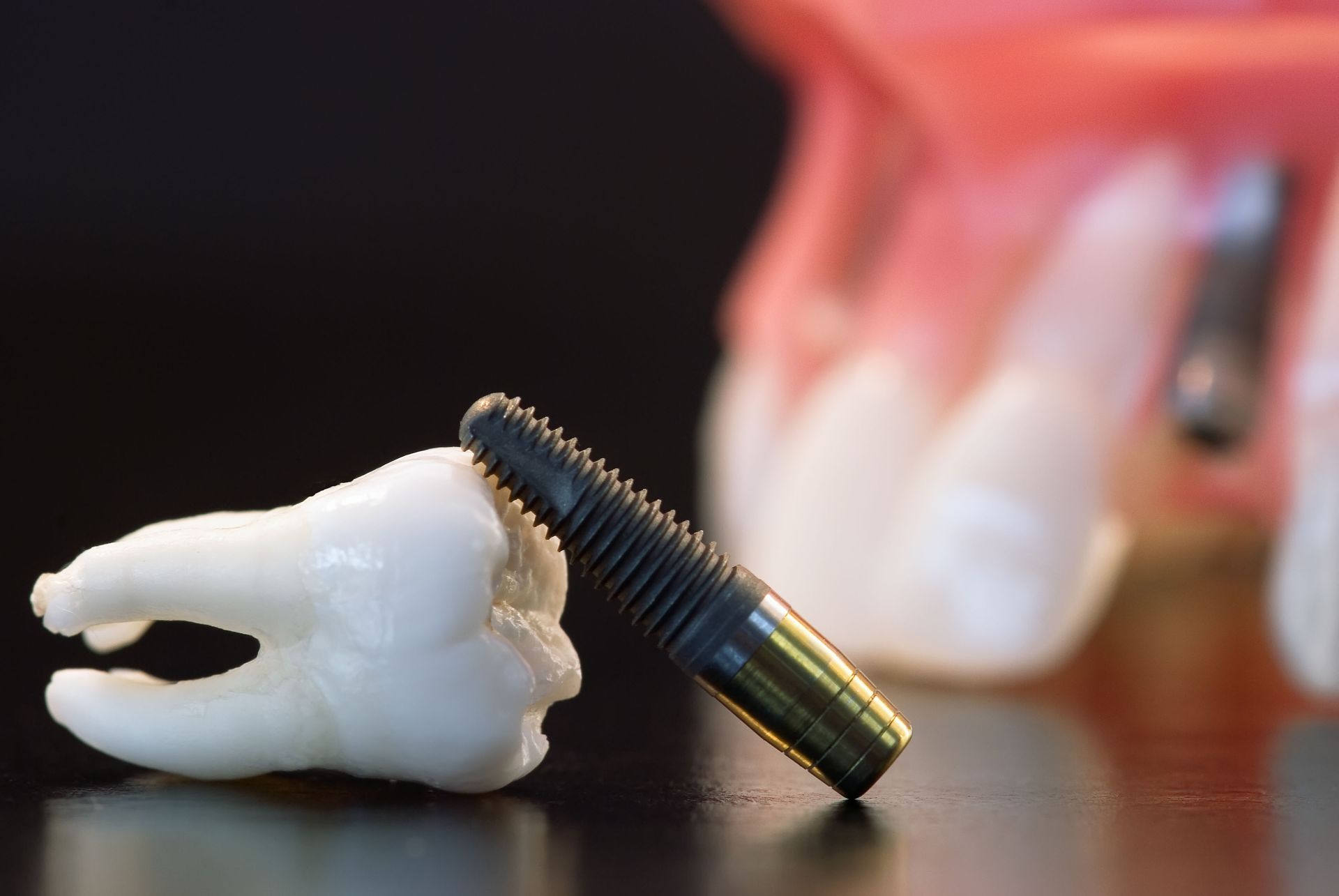
Oral surgeons can provide various implant options to deal with tooth loss. Dental implants are a common solution that offers both functionality and aesthetics, mimicking natural teeth. Depending on the state of the bone and surrounding tissues, bone grafting might be required to support the implant. Grafting procedures are intricate but promise long-term stability of dental implants. Patients are usually presented with multiple options to best fit their needs and ensure robust oral health moving forward.
Prosthetic alternatives to natural teeth are numerous and vary depending on individual cases. Dentures are a traditional option, but that may not be suitable for everyone, especially younger individuals. Partial dentures or bridges can be considered where only a few teeth are missing or damaged. An oral surgeon can evaluate the situation and recommend the most effective prosthetic solution.
4. Oral Infections and Cysts
Oral infections and cysts can arise due to improper hygiene, smoking, or other health conditions. Manifesting symptoms include pain, swelling, and difficulty in swallowing or opening the mouth. Regular dental check-ups and maintaining oral hygiene are essential in spotting early signs of infection. Once identified, it is crucial to address these issues promptly, as they may lead to more severe health problems. Consultation with an oral surgeon is crucial to manage these concerns before they worsen.
Diagnosing oral infections often requires thorough examination and imaging techniques. Surgeons might use CT scans or MRIs to discern the presence and extent of infections or cysts. Pinpointing the infection enables targeted intervention methods, such as surgical drainage or excision of cysts. Untreated oral infections can lead to systemic health issues, emphasizing the need for timely surgical intervention. Proactive management of oral infections significantly improves outcomes, ensuring better overall health.
Surgical procedures addressing oral infections and cysts are often necessary when other treatments fail. Operations to remove cysts or abscesses aim to mitigate further health complications. Antibiotic therapy might accompany such procedures to tackle underlying bacterial causes. Oral surgeons ensure post-operative care is thorough, preventing recurrence and fostering swift recovery.
5. Facial Trauma and Reconstructive Surgery
Facial trauma can result from accidents, sports injuries, or physical altercations, necessitating immediate attention. Symptoms can range from bruising and bleeding to fractures and dislocations. The psychological impact can be just as daunting as physical injuries, with potential effects on self-esteem. Oral surgeons are skilled in both the surgical procedures required to restore physical structure and the psychological support necessary. Acting promptly and seeking professional aid ensures the best outcomes for those affected by facial trauma.
Post-injury, immediate steps are crucial to minimize damage and facilitate recovery. This often involves stabilizing the injury site and seeking emergency care. Follow-up with an oral surgeon will allow for a comprehensive evaluation and potential surgical intervention. Techniques such as CT scans can guide surgical planning to ensure alignment and symmetry during reconstructive procedures.
Surgical reconstruction techniques are complex and tailored to the specific injury. Treatment might involve realignment of fractures, insertion of implants, or soft tissue repair. Such procedures require precision to restore function and aesthetics fully. Recovery typically involves a multidisciplinary approach, with oral surgeons collaborating with other healthcare professionals.
6. Temporomandibular Joint Disorders (TMJ/TMD)
Temporomandibular Joint Disorders (TMJ/TMD) affect the jaw's movement and function. Symptoms can include jaw pain, headaches, and clicking or popping noises when opening the mouth. Various factors contribute to TMJ/TMD, such as teeth grinding, arthritis, or trauma. The complexity of TMJ/TMD lies in its multifaceted nature, often requiring a combination of treatment approaches. An accurate diagnosis from an oral surgeon is essential to understand the underlying cause and explore suitable treatments.
Non-surgical interventions for TMJ/TMD are often initial steps in treatment. These can include physical therapy, dental splints, and behavioral modifications. The aim is to reduce strain on the jaw while alleviating pain. These interventions can successfully manage symptoms in many cases without resorting to surgery. However, an oral surgeon may recommend surgical interventions if these conservative methods are ineffective.
Surgical treatment of TMJ/TMD might be considered when conservative approaches fail to relieve symptoms. Procedures can range from minimally invasive arthroscopy to complex open joint surgeries. The decision to proceed with surgery depends on the specific condition and severity of symptoms. Long-term management may involve post-surgical rehabilitation and lifestyle adjustments. Oral surgeons work closely with patients to ensure comprehensive care and long-term relief from TMJ/TMD symptoms.
Consulting an oral surgeon is essential when experiencing specific oral health issues, as surgical intervention can prevent further complications. By being aware of these signs, you can take proactive steps to ensure your long-term oral health and well-being. Prioritize consultations with dental professionals when these symptoms arise. Schedule a consultation with Harvey L Shuster DDS, today.